
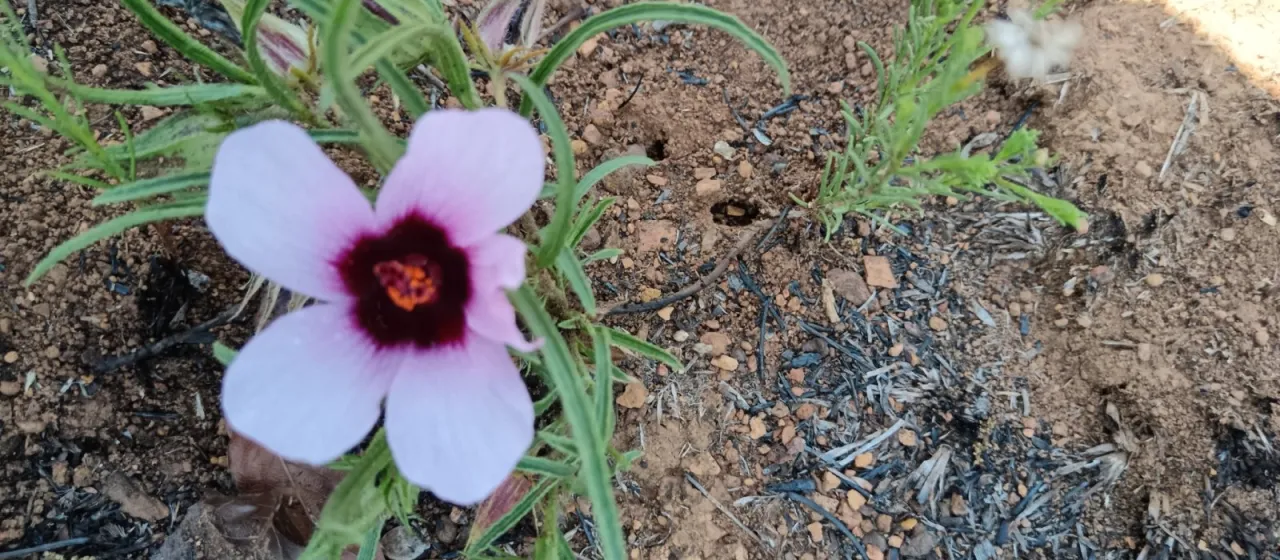
Description
Small-fruited hibiscus (Hibiscus microcarpus) is a herbaceous plant species belonging to the Malvaceae family. Unlike its ornamental relatives, this species is gaining attention in agricultural research for its resilience in arid environments. It represents a specialized crop that thrives where conventional agriculture faces significant moisture limitations, making it a subject of interest for sustainable farming in dry regions.
The plant originates from the arid regions of Africa, specifically within the Sahelian zone. Its natural habitat includes sandy plains and rocky outcrops, where it has adapted to survive extreme temperature fluctuations and long-term water scarcity. Due to this evolutionary history, the plant demonstrates a high efficiency in nutrient uptake from low-fertility soils, which is a valuable trait for low-input agricultural systems.
Botanically, Hibiscus microcarpus exhibits a distinct morphology characterized by a sturdy stem and small, specialized fruit capsules. The leaf structure is adapted to minimize transpiration loss, reflecting its desert-hardy nature. The root system is significantly deep, enabling the plant to access moisture reserves far below the surface, which is critical for its growth cycle during inconsistent rainfall periods.
Agrotechnical requirements prioritize well-draining, sandy-loam soils to prevent root rot. The plant demands full sun exposure to trigger its metabolic pathways for growth and seed production. Irrigation management is crucial: while the plant is drought-tolerant, supplemental water during the flowering stage significantly increases the total yield of biomass and seed quality, making controlled farming more productive than wild harvesting.
Potential economic and agricultural uses for this plant include:
- Fiber extraction for local textile or rope-making industries.
- Soil stabilization and erosion control in desertification-prone areas.
- Fodder crop development for small ruminants during the dry season.
Common pests and diseases include aphids and spider mites, which typically proliferate in dry and hot conditions. Fungal issues, such as root rot, may arise if the planting site lacks sufficient aeration. Effective management strategies involve maintaining appropriate plant spacing to ensure airflow and monitoring for early signs of infestations, which allows for targeted and efficient pest control measures.