
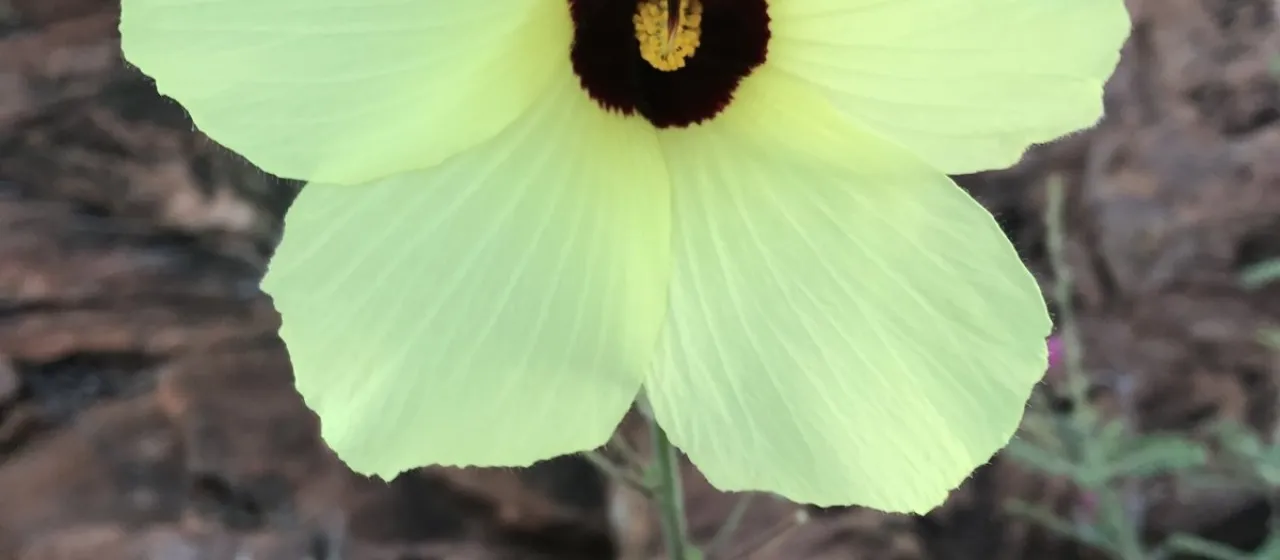
Description
Hibiscus physaloides is a herbaceous plant belonging to the Malvaceae family. This species is recognized for its robust growth habit and is often cultivated in specific tropical regions where it serves as a source of fiber and raw material for local manufacturing needs.
The plant originates from the tropical regions of Africa, where it thrives in savannah environments and forest margins. Its natural habitat includes areas prone to periodic seasonal flooding, which dictates the plant's physiological response to water availability and soil moisture levels during the growing season.
Botanically, the species is defined by its broad, palmately lobed leaves and distinctive calyx that envelops the fruit, closely resembling the husk of a physalis. This specific morphological trait is the primary identifier for the species and serves as a protective mechanism for the developing seeds against environmental stressors.
Successful cultivation requires high ambient temperatures and a well-drained, nutrient-rich soil profile. Agronomic best practices involve implementing a structured irrigation schedule to prevent drought stress, as the plant's metabolic activity is highly sensitive to water deficit, especially during the flowering and fruit-setting phases.
In terms of economic utility, the plant is primarily harvested for its bast fibers, which are extracted from the stem and utilized in the textile industry for producing ropes and cordage. Common agricultural concerns include infestations by beetles and fungal pathogens, which can be mitigated through crop rotation and proper site drainage.