
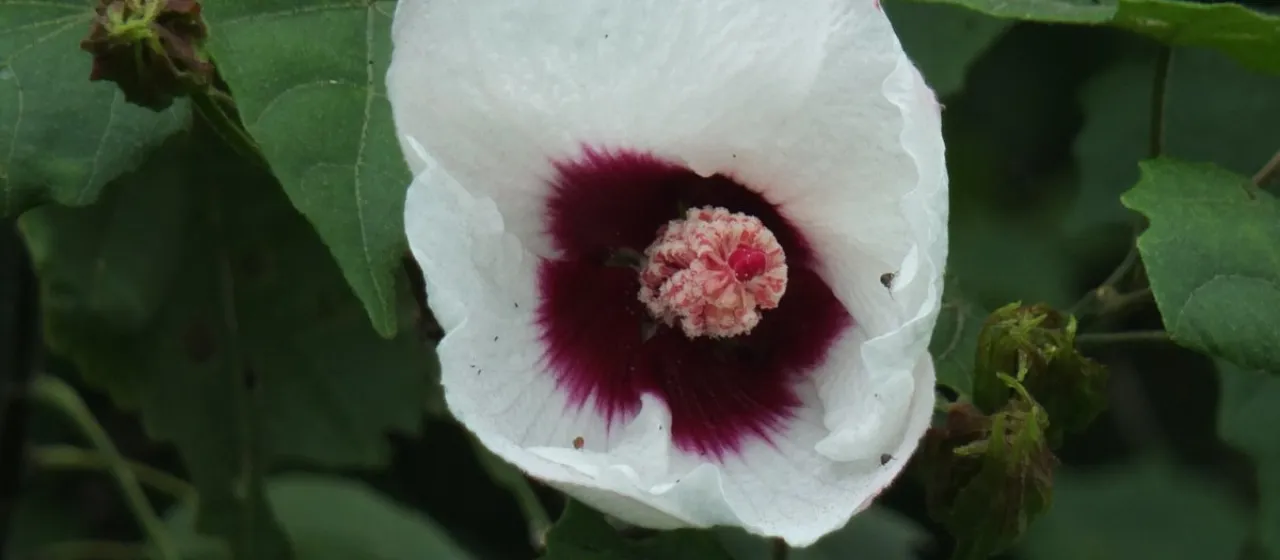
Description
Hibiscus platanifolius is a perennial plant species within the Malvaceae family. Known for its distinct foliage that resembles the leaves of a plane tree, it is a highly regarded ornamental shrub. Its botanical classification highlights its close relationship with other members of the Hibiscus genus, sharing similar structural traits in both its flowering mechanism and growth habits.
The species originates from the tropical and subtropical regions of Asia. It thrives in environments that provide consistent warmth and humidity, making it a popular choice for gardens in similar climates globally. In regions with cooler weather, it is often kept as a potted specimen or grown in protected greenhouse conditions to ensure its survival throughout the year.
Botanically, it presents as a deciduous shrub characterized by its broad, lobed leaves and sturdy wood growth. The flowers are typically showy, reflecting the characteristic anatomy of the mallow family. The plant's root system is robust, requiring loose, well-draining soil to support the significant biomass produced during the growing season.
Successful cultivation requires a sunny location with ample light exposure to stimulate maximum flower production. Soil should be rich in organic matter, maintained at a near-neutral pH level. Regular irrigation is essential during dry spells, although waterlogging should be strictly avoided to prevent root decay. Pruning in early spring encourages denser branching and better floral display.
The primary use of this crop is in landscape architecture, where it serves as a focal point or a structural shrub. While generally hardy, it can be susceptible to common pests like aphids and spider mites, which are manageable with integrated pest control measures. Maintaining good hygiene in the garden, including regular removal of fallen debris, is crucial for preventing fungal infections.
- Light requirements: Full sun to partial shade.
- Watering: Consistent moisture, avoiding saturation.
- Propagation: Stem cuttings or seeds.
- Maintenance: Annual spring pruning.