
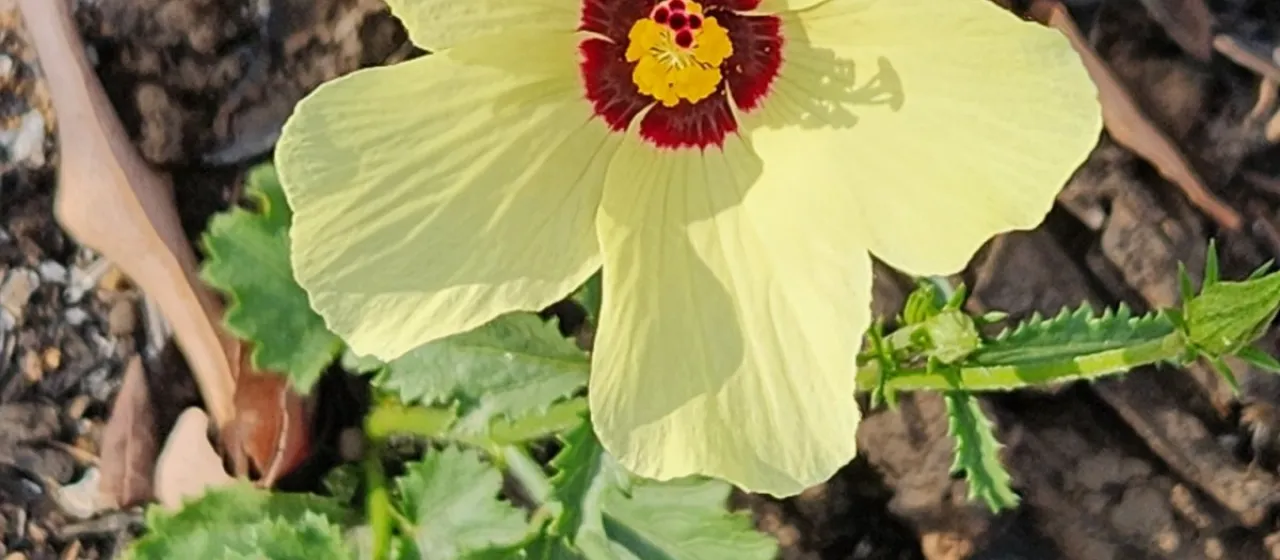
Description
Hibiscus pusillus is a distinct species within the Malvaceae family, known for its specific morphological traits and growth habits. This herbaceous perennial is highly regarded in botanical circles for its adaptation to challenging environmental conditions, particularly within its native African range.
The plant originates from the tropical and subtropical zones of Africa, where it has evolved to thrive in grassy landscapes. Its natural distribution is largely governed by the availability of sunlight and the specific moisture regimes typical of savannah-like environments, which has shaped its physiological resilience.
Botanically, Hibiscus pusillus is defined by its pubescent stems and foliage. These fine hairs serve as an adaptive mechanism to reduce transpiration and protect the plant from intense solar radiation. The flower structure remains consistent with the broader Hibiscus genus, although smaller in stature compared to its ornamental counterparts.
Cultivation requirements for this species include well-draining soil with a focus on mineral content. It requires full sunlight exposure to maintain its compact growth form. Agronomic practices should prioritize the management of water intervals; excessive soil moisture during the dormant season is detrimental, leading to common root-related pathogens.
The primary economic use of this species is in specialized horticulture and native plant collections. While not a large-scale agricultural crop, its study offers insights into the drought-tolerance mechanisms of Malvaceae. Typical pests include aphids and mites, which can be managed through integrated pest management strategies, focusing on biological controls and proper site ventilation.