
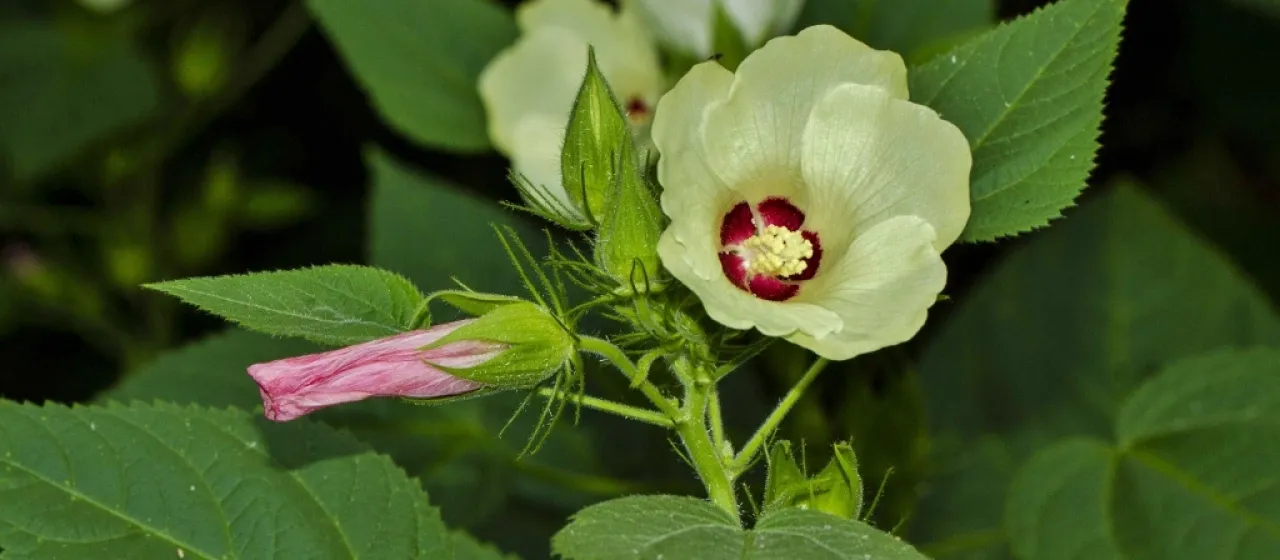
Description
Hibiscus rhabdotospermus is a distinct species belonging to the Malvaceae family. Recognized for its unique biological characteristics, this plant represents a niche component of tropical flora, primarily found in restricted island ecosystems. It is primarily studied within academic and conservation contexts due to its rarity.
The native range of this species is confined to the island of Mauritius. It typically occupies specialized habitats within dry tropical forests. Due to its limited natural distribution, Hibiscus rhabdotospermus is considered a conservation priority, and its cultivation is largely restricted to controlled botanical environments, research facilities, and specialized conservation nurseries.
Botanically, the species exhibits standard characteristics of the genus Hibiscus, such as five-petaled flowers and distinct reproductive structures. However, it is taxonomically distinguished by specific seed morphology. The plant typically presents as a woody shrub, adapted to seasonal climatic cycles, with foliage that is often serrated and resilient to moderate drought conditions.
Agricultural and horticultural requirements necessitate a tropical environment. The species thrives in well-draining, nutrient-rich soils with a slightly acidic to neutral pH. Success in cultivation depends on precise temperature control, typically maintaining levels above 20°C, and ensuring adequate light exposure to stimulate healthy development of both vegetative and floral parts.
Current хозяйственное use is primarily focused on biodiversity preservation rather than commercial production. Future potential may include ornamental breeding, provided that propagation protocols are strictly followed. Growers must be vigilant against common tropical pests, including scale insects and mites, and ensure that soil moisture management prevents the development of fungal pathogens in the root zone.