
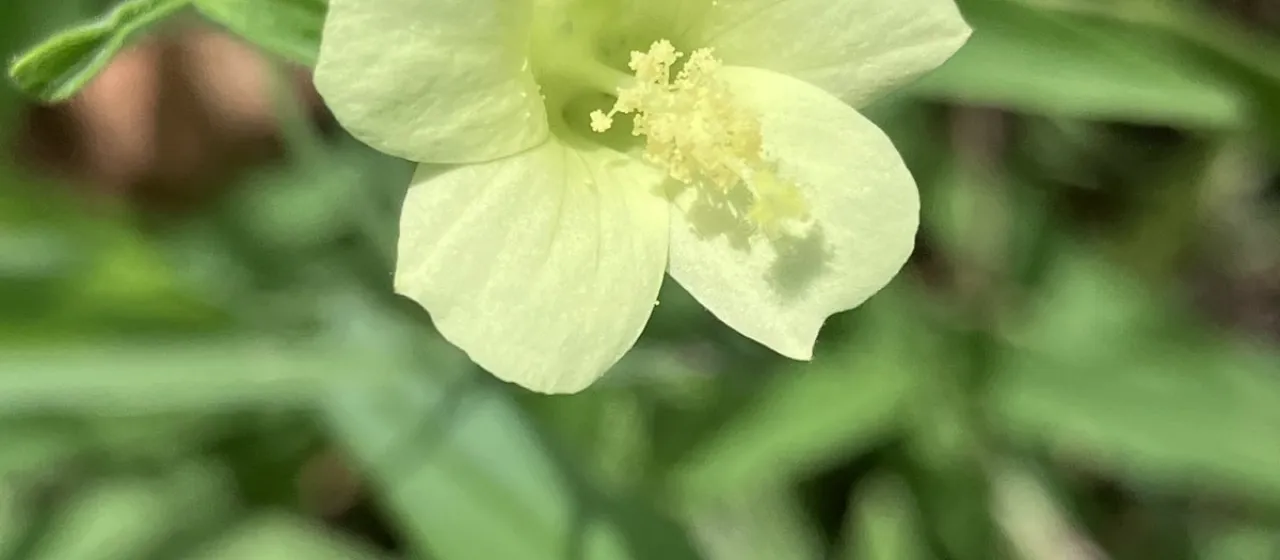
Description
Hibiscus sidiformis is a distinctive plant species within the Malvaceae family, recognized for its specific physiological adaptations. As an agricultural crop, it remains a niche plant, primarily studied for its structural characteristics and its ability to thrive in challenging semi-arid environments.
The origin of Hibiscus sidiformis is traced back to the African continent, particularly regions characterized by dry savanna climates. Its geographical distribution is largely restricted to tropical and subtropical areas where long sunshine hours and high cumulative heat units support the complete growth cycle of the plant.
Botanically, the plant presents as an erect herb with alternate, lobed leaves and characteristic hibiscus-type flowers. Its primary agronomic value lies in the fiber quality found in the stem cortex, which is comparable to other Malvaceae-based fiber sources used in textile or paper manufacturing.
Cultivation requirements involve well-draining, sandy-loam soils that prevent waterlogging, as the species is highly sensitive to root rot. Agronomic practices include precise sowing depths, row spacing to maximize light interception, and diligent weed management during the seedling stage to prevent competition for nutrients.
In terms of usage, the crop is primarily intended for fiber extraction and biomass production. Common pests include whiteflies and aphids, while fungal diseases can be mitigated through crop rotation and strict moisture management. Its role in sustainable agriculture is a topic of ongoing research due to its low water footprint.
- Excellent drought tolerance features.
- Valuable bast fiber potential.
- Requires high temperatures for development.
- Susceptibility to moisture-related fungal pathogens.