
Description
Sea hibiscus (Hibiscus tiliaceus) is a perennial evergreen tree or large shrub belonging to the Malvaceae family. It is widely recognized for its ecological importance and its ability to thrive in harsh coastal environments across the tropical and subtropical regions of the world.
The native distribution of this species spans the tropical coasts of the Indian and Pacific Oceans. It is a quintessential littoral plant, capable of colonizing sandy beaches and mangrove fringes where it acts as a pioneer species that stabilizes soil and protects land from coastal erosion.
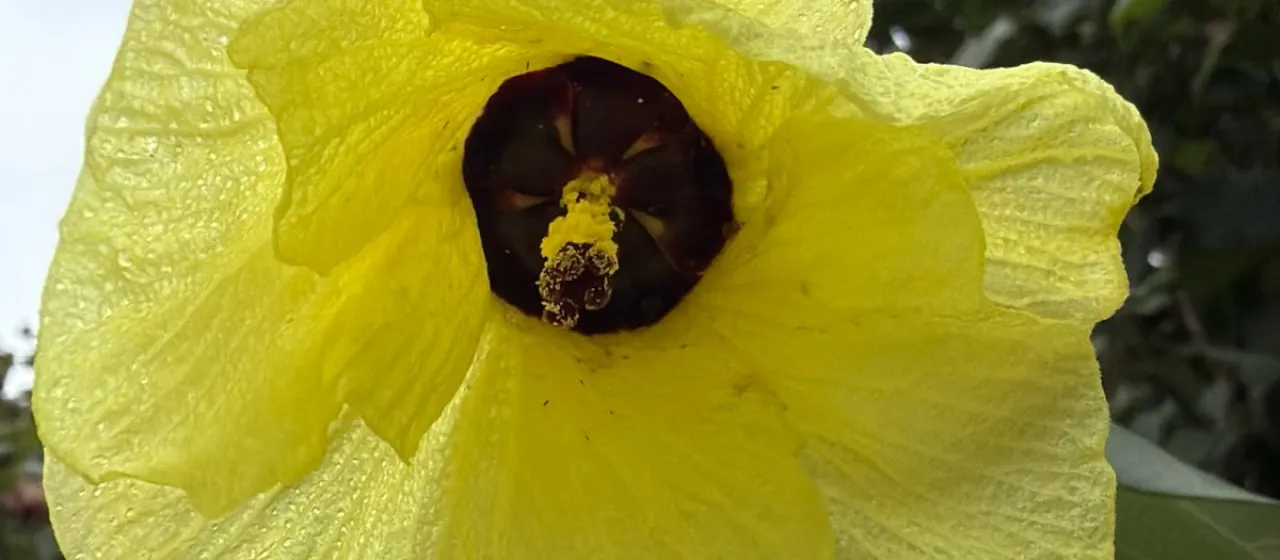
Botanically, the plant is characterized by large, heart-shaped leaves and bright yellow flowers that transition to deep orange or red as they age. Its growth habit can be sprawling and irregular, but with proper pruning, it can be maintained as a tree reaching heights of up to twelve meters in optimal conditions.
The crop requires a frost-free climate with consistent warmth and ample moisture. While it is naturally found on nutrient-poor sandy soils, cultivation for agricultural or landscape purposes is most successful in well-drained, fertile substrates with consistent access to fresh or brackish water.
The primary economic and agricultural uses include:
- Harvesting inner bark for cordage, ropes, and traditional handicrafts.
- Utilizing the light, durable wood for carpentry and small boat building.
- Implementing it in coastal reforestation projects for wind and salt spray protection.
- Providing shade and aesthetic value in tropical landscape designs.
Common pests include aphids, whiteflies, and scale insects, while fungal infections like leaf spot can occur in areas with poor airflow. Successful management involves regular monitoring and integrated pest control strategies, alongside routine pruning to encourage growth and maintain the health of the canopy.