
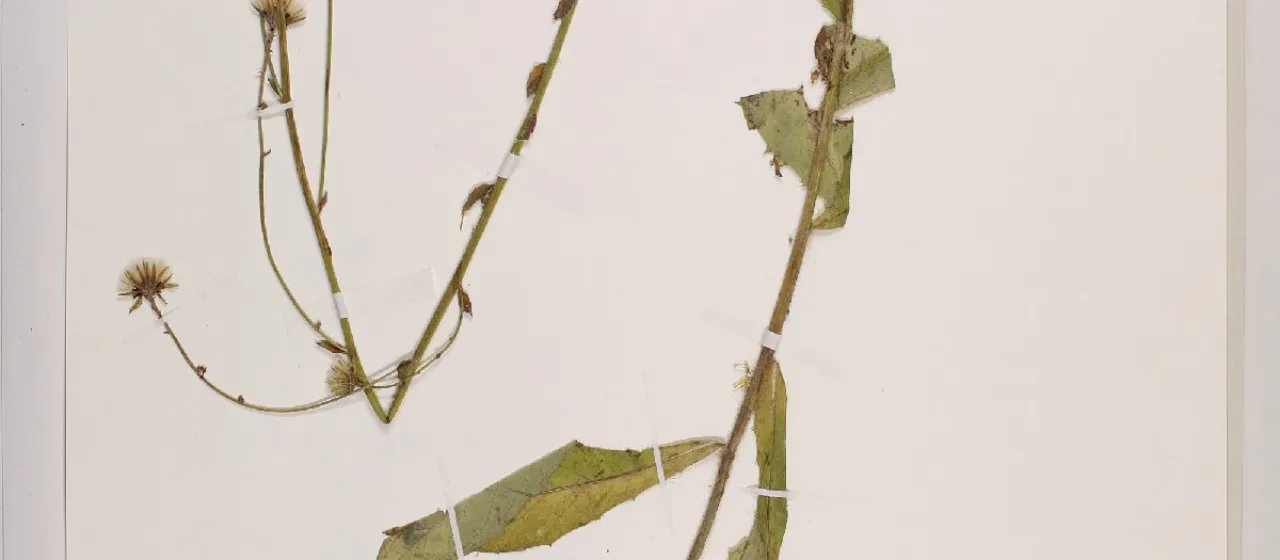
Description
Short-leaved hawkweed (Hieracium brevifolium) is a perennial herbaceous plant belonging to the Asteraceae family. In agricultural and botanical studies, this species is categorized as a resilient plant often found in grassland ecosystems. It is recognized for its ability to thrive in poor soils and challenging environmental conditions where more demanding crops would fail.
The plant originates from European regions, primarily inhabiting mountain slopes and dry pastures. Its native range is characterized by temperate climates where it displays high adaptability. Due to its hardiness, it has been explored for its potential role in low-input farming systems and for land stabilization purposes in difficult terrain.
Botanically, the species is defined by its compact rosette of short leaves and distinct capitulum inflorescences. The plant features an upright stem that supports its flowering structures. The root system is generally fibrous, which assists in anchoring the plant in well-drained, sandy, or rocky substrates, effectively preventing erosion in its habitat.
Cultivation requirements for Hieracium brevifolium center on providing adequate sunlight and avoiding waterlogged soil. It does not require high nitrogen inputs, making it suitable for sustainable land management. Agrotechnical management should focus on maintaining optimal density, as overcrowding can lead to diminished vigor and susceptibility to environmental stressors.
The primary use of the crop includes its function as a component of wild forage and potential medicinal applications due to its secondary metabolite profile. Growers should monitor for common issues such as rust fungi and aphids, which are the most frequent threats to the plant's health. Integrated pest management strategies are recommended to maintain plant stands.