
Description
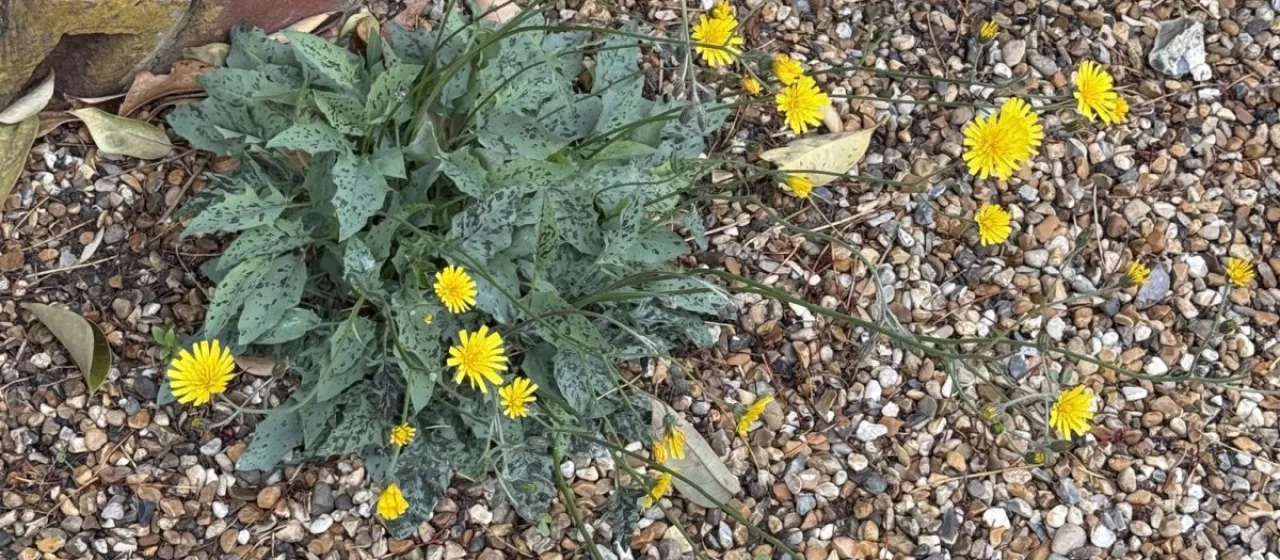
Glaucous hawkweed (Hieracium glaucinum) is a perennial herbaceous plant belonging to the Asteraceae family. In an agricultural and botanical context, it is recognized for its robustness and ability to thrive in diverse environments, often serving as a component of mountain grasslands and meadow ecosystems.
The origin of the species is centered in Central and Southern Europe. It is primarily found in mountainous regions and rocky habitats, which has contributed to its specialized adaptations. Its natural distribution demonstrates an evolutionary preference for well-drained slopes and open, sunny areas.
Botanically, the plant is characterized by its basal rosette of glaucous-colored leaves, which gives it a distinct appearance. It produces upright, flowering stems bearing bright yellow composite flower heads. The root system is relatively deep and fibrous, allowing the plant to persist in nutrient-poor and rocky soil substrates.
Cultivation requirements necessitate a focus on soil aeration and drainage. Hieracium glaucinum prefers neutral to slightly acidic soils and performs best in full sun. It is a highly resilient plant that can tolerate cold temperatures, making it a viable candidate for pastures in temperate mountainous climates where other crops may struggle.
The primary agricultural use of this plant is as a source of biomass for grazing and as a part of natural meadow restoration projects. Common threats to the crop include fungal diseases such as powdery mildew, especially under high humidity conditions, and pests like aphids. Proper field hygiene is essential for maintaining crop health.