
Description
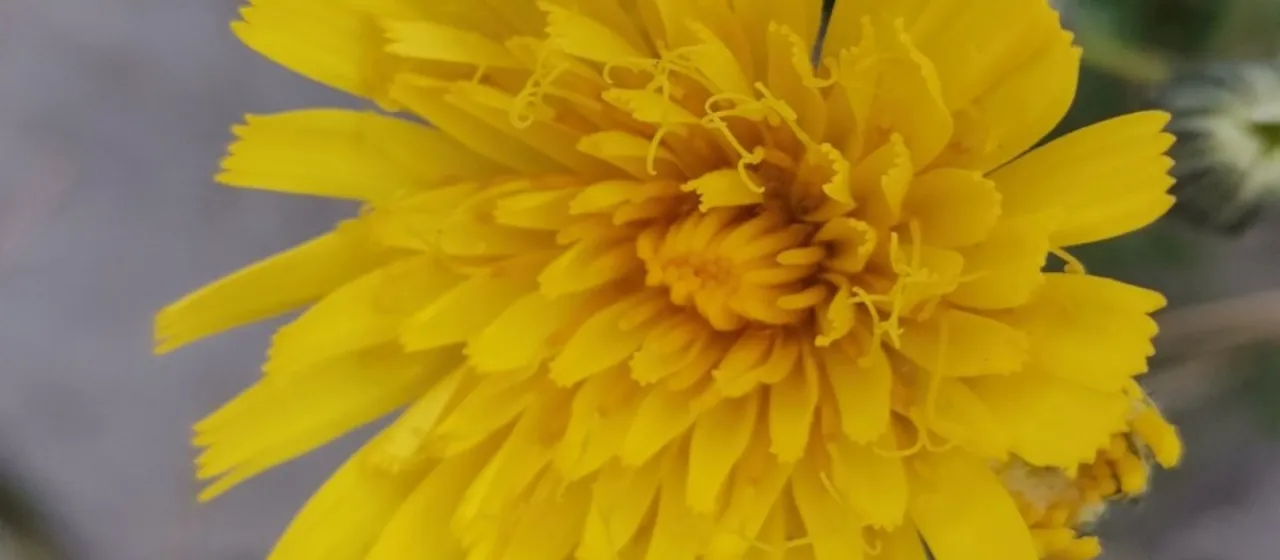
Glaucous hawkweed (Hieracium glaucum) is a perennial herbaceous plant belonging to the Asteraceae family. Known for its distinct glaucous foliage and robust growth habit, this plant represents a resilient species often found in diverse environmental conditions across Europe and parts of Asia.
The plant originates from mountainous and rocky terrains, which explains its high tolerance for poor-quality soils and fluctuating moisture levels. In its natural range, it typically occupies open, sunny spaces where it competes effectively for nutrients in substrate types that might prove challenging for more sensitive agricultural species.
Botanically, it is identified by its basal leaf rosettes and upright stems bearing yellow flower heads. These features are typical of the genus Hieracium, yet it stands out due to its specific leaf color and root adaptation strategies that minimize transpiration, making it a subject of interest for breeding programs focused on stress tolerance.
In terms of cultivation, Hieracium glaucum thrives in well-drained, slightly alkaline or neutral soils. It is essential to avoid waterlogged environments as they can lead to root rot. Successful production requires minimal interference; however, adequate sunlight is a non-negotiable factor. Soil management should prioritize aeration and light mineral fertilization to encourage healthy development during the vegetative stage.
Agricultural use is primarily centered on land reclamation and erosion control on slopes where traditional crops fail to establish. It also serves as a valuable component in ecological restoration projects. Common pathogens affecting the plant include various powdery mildew fungi, while aphid infestations remain the most frequent pest challenge, requiring standard integrated pest management practices to maintain crop health.