
Description
Hieracium japonicum (also widely recognized as Youngia japonica) is a herbaceous perennial plant belonging to the Asteraceae family. Often referred to in agricultural and botanical contexts as a type of Japanese hawkweed, this plant possesses distinct biological characteristics that make it a subject of interest in both ornamental gardening and regional crop studies.
The plant originates from East and Southeast Asia, with a natural distribution spanning from Japan and China to the Himalayas. It is highly adaptable, flourishing in a variety of environments such as moist grasslands, forest edges, and cultivated fields. Its natural ability to colonize disturbed soils has led to its recognition as a hardy species in various agricultural zones.
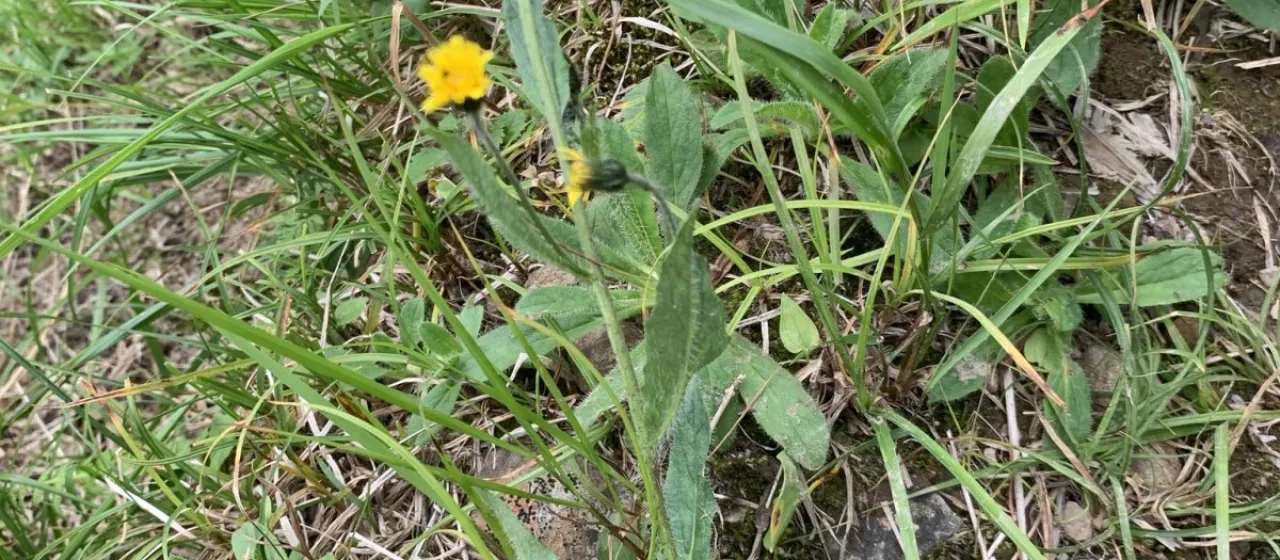
Botanically, it features a basal rosette of leaves and a slender, upright stem reaching heights of 30 to 50 cm. The inflorescences are typical yellow daisy-like flower heads. The root system is fibrous and efficient, allowing the plant to absorb nutrients effectively from diverse soil profiles, which contributes to its overall resilience in different farming conditions.
- Requires well-drained, nutrient-rich soil.
- Thrives in moderate temperate climates.
- Needs consistent moisture during the vegetative phase.
- Responds well to organic fertilizers.
Agronomic requirements emphasize the need for proper soil aeration and light management. The crop does not tolerate waterlogging, which can lead to root degradation. Planting in sunny to semi-shaded areas is recommended for optimal yield. Regular cultivation and weed control are essential, especially during the early growth stages, to minimize competition for resources.
The plant is utilized in traditional medicine and, in some regions, as a wild edible leafy vegetable. Agronomists must monitor the crop for common Asteraceae pests such as aphids and spider mites, as well as fungal infections like powdery mildew. Maintaining adequate spacing between plants is a primary strategy to ensure good air circulation and mitigate disease outbreaks.