
Description
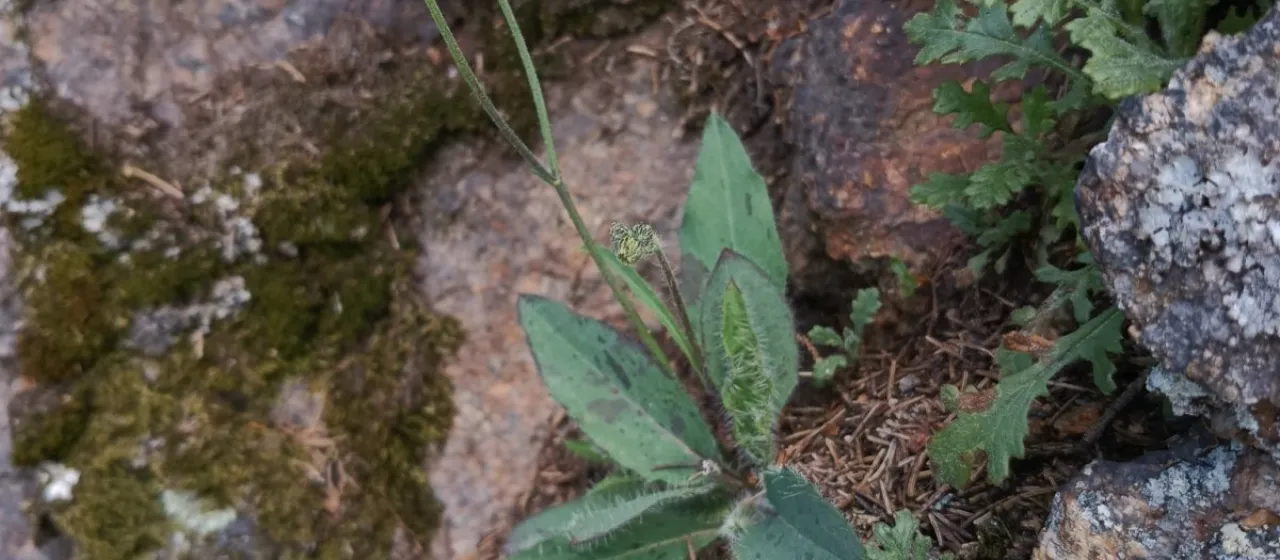
Schmidt's Hawkweed (Hieracium schmidtii) is a herbaceous perennial plant belonging to the large Asteraceae family. Known for its distinct botanical structure, it typically features a basal rosette of pubescent leaves and upright stems crowned with yellow, daisy-like flower heads that are characteristic of the genus Hieracium.
The plant originates primarily from the mountainous regions of Central and Southern Europe. Its natural habitat consists of rocky slopes, limestone outcrops, and dry grasslands where soil quality is generally low. This evolutionary adaptation allows the species to thrive in harsh environments where resource competition is significantly minimized compared to lowland ecosystems.
Botanically, Schmidt's Hawkweed is well-adapted to high-altitude and exposed conditions. Its leaves are covered in fine, stiff hairs that reduce transpiration, helping the plant maintain water balance during dry spells. The root system is generally efficient at anchoring the plant in crevices or thin layers of stony substrate, providing stability against mountain winds.
Agrotechnical requirements for successful cultivation focus on mimicking its natural alpine environment. Key needs include high solar exposure and extremely well-drained, porous soil. Avoid heavy or waterlogged substrates, as the species is highly susceptible to root rot if moisture levels remain excessive for prolonged periods during the growing season.
Regarding its utility, the plant is primarily used in specialized horticultural applications such as rock gardens and xeriscaping. Common pests and diseases include aphids, which may cluster on flower buds, and various fungal pathogens like powdery mildew. Maintaining good airflow between plants is essential to mitigate the risk of fungal infections in domestic or agricultural settings.