
Description
Himalayan bamboo (Himalayacalamus falconeri) is an evergreen perennial plant belonging to the Poaceae family. Known for its elegant appearance and architectural silhouette, it is a highly regarded species in both ornamental gardening and specialized plant collections, prized for its ability to thrive in cooler climates compared to many tropical counterparts.
The plant originates from the mountainous regions of the Himalayas, specifically spreading across India, Nepal, and Bhutan. Its natural habitat is defined by high altitudes, which has contributed to its hardiness and ability to adapt to environments that experience moderate frost, making it a unique candidate for temperate climate cultivation.
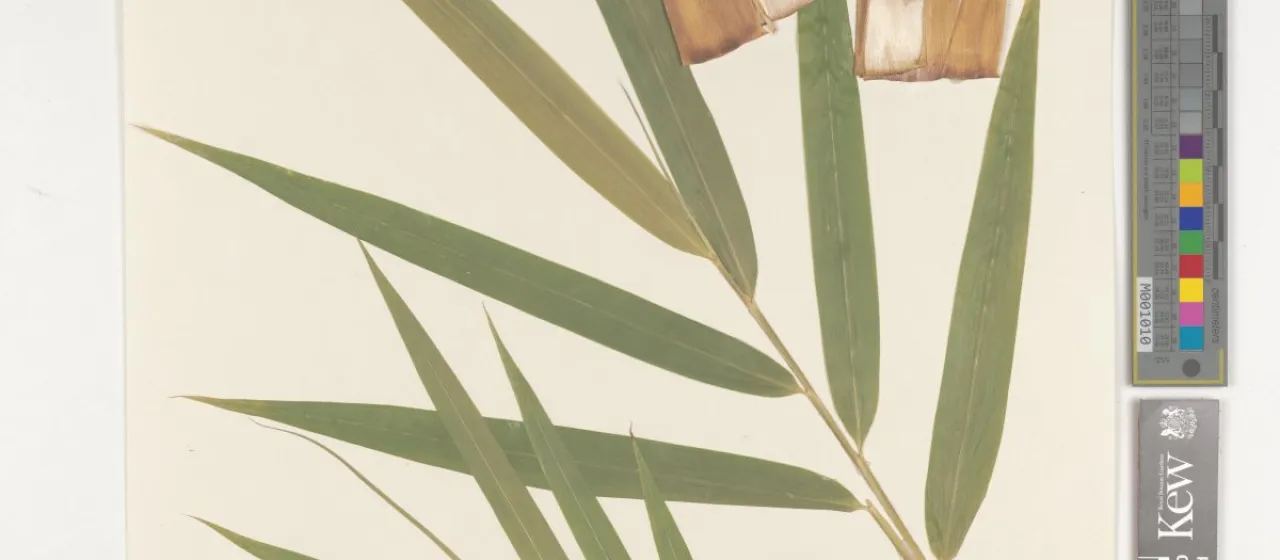
Botanically, this species is characterized by its clumping growth habit, where dense clusters of culms (stems) rise from the rootstock. These culms can reach heights of up to 6 meters and often exhibit attractive color variations, including golden or purplish hues as they mature. The foliage consists of narrow, lanceolate leaves that create a lush, dense canopy throughout the year.
Cultivation requirements necessitate fertile, well-draining soil with a neutral to slightly acidic pH. Himalayan bamboo prefers partial shade and protection from harsh, drying winds. Agronomic success relies heavily on moisture management; while the soil must remain consistently moist, the roots should never be subjected to waterlogging, as this can severely inhibit growth or lead to rot.
From an economic and practical perspective, this bamboo is primarily utilized in landscape architecture to provide screening and windbreaks. Beyond its aesthetic value, the strong and flexible culms are harvested for various craft applications, including the production of furniture, fencing, and eco-friendly home goods, showcasing the plant's versatile utility.
- Climate preference: thrives in temperate zones with cool summers.
- Watering: consistent moisture without stagnant water.
- Fertilization: balanced nitrogen-rich fertilizer during the spring growth phase.
- Maintenance: seasonal pruning of dead or thin culms to improve airflow.
Regarding health management, the plant is susceptible to common pests such as spider mites and aphids, particularly in conditions of low atmospheric humidity. Diseases like leaf spot and fungal rusts may occur if the planting density is too high or if the site has poor air circulation. Regular monitoring and maintaining adequate spacing are essential strategies for ensuring a healthy crop.