Hippeastrum reginae
Hippeastrum reginae (L.)
Description
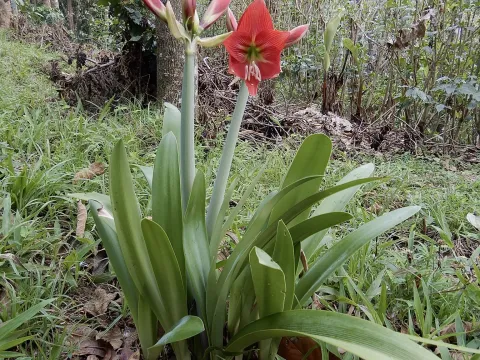
Hippeastrum reginae, commonly known as the Queen Hippeastrum, is a stunning bulbous perennial belonging to the Amaryllidaceae family. In agricultural and horticultural terms, this species is highly valued for its ornamental beauty, featuring large, vibrant, trumpet-shaped flowers that are commercially significant in the pot plant and cut flower industry.
The species originates from the tropical regions of Central and South America. Its natural habitat includes open forests and rocky slopes, where it has evolved to thrive under specific light conditions and seasonal shifts. Understanding its native ecology is essential for maintaining plant health and ensuring vigorous blooming cycles in artificial environments.
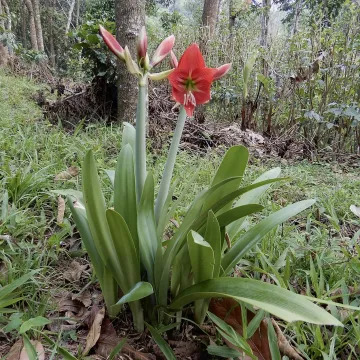
Botanically, the plant is characterized by a large, tunicated bulb that produces long, dark green strap-shaped leaves. The flowering stem or scape grows directly from the bulb, typically supporting multiple large, vivid red flowers with a distinctive white throat pattern. This unique coloration has made it a foundational species in the breeding of many modern hybrid varieties.
The agronomic requirements for this crop focus on precise water management and temperature control. During the active growth phase, the plant requires bright, indirect light and temperatures between 20°C and 25°C. A well-draining, nutrient-rich soil substrate is critical, as excess moisture trapped around the bulb base frequently leads to fungal infections.
Commercial utilization centers on greenhouse production for forcing, allowing for flower availability throughout the off-season. By manipulating dormancy periods through temperature control and withholding water, growers can effectively schedule flower production for market demands, making this species a stable and profitable crop for specialized nurseries.
- Red blotch disease (Stagonospora curtisii).
- Fusarium basal rot.
- Mealybugs.
- Two-spotted spider mites.
- Narcissus bulb fly.
Photo gallery