Rock isotome
Isotoma axillaris Lindl.
Description
Rock isotome (scientific name Isotoma axillaris, also known as Hippobroma axillaris) is a charming flowering plant belonging to the Campanulaceae family. Originally from Australia, this plant is widely cultivated in many parts of the world as a popular annual, particularly valued for its long-lasting blooming season and adaptability to various garden environments.
The plant originates from the diverse landscapes of Australia, where it thrives in well-drained soils. Its native habitat conditions dictate its requirements in cultivation, favoring sites that provide plenty of light and protection from waterlogged conditions. In modern agriculture and horticulture, it serves as an excellent decorative crop for both commercial and personal garden projects.
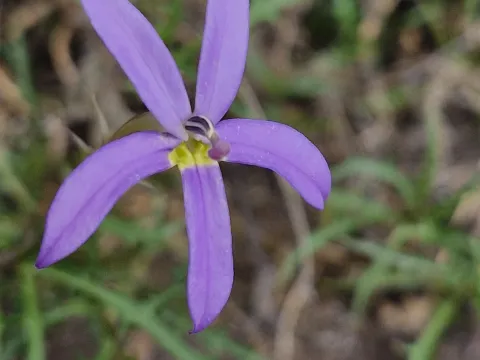
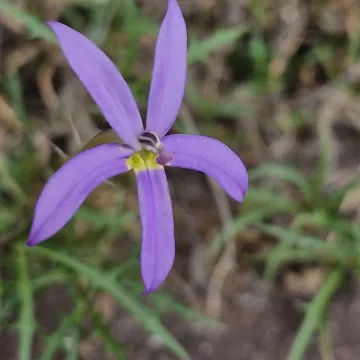
Botanically, the plant forms a neat, mound-like habit with finely divided foliage. The highlight of the plant is its star-shaped, five-petaled flowers which appear in profusion from late spring until late summer or autumn. The flowers are typically shades of blue, ranging from soft sky-blue to deep purple, providing a vibrant contrast to the green leaves.
For successful cultivation, it is essential to provide a well-drained, sandy or loamy substrate. The plant is drought-tolerant once established but performs best with consistent, moderate irrigation. It is not frost-hardy and should be treated as an annual in cooler climates. Regular fertilization with balanced nutrients during the vegetative stage helps maintain consistent flower production.
- Prefers full sun or partial shade locations.
- Excellent for hanging baskets and rock gardens.
- Requires excellent drainage to prevent root rot.
- Compact size allows for high-density planting.
The main commercial and hobbyist use for rock isotome is as a decorative border or container plant. It is relatively resistant to major pests, though occasionally aphids may appear. To ensure optimal health, avoid overwatering and ensure good air circulation around the plants. Proper spacing during planting is key to preventing fungal diseases in high-humidity environments.
Photo gallery