
Description
The Manchineel tree (Hippomane mancinella) is a distinctive species within the Euphorbiaceae family. Known as one of the most poisonous trees in the world, it contains a potent, caustic latex that permeates all parts of the plant, including the leaves, bark, and fruit. Handling or consuming any part of this tree presents significant health risks.
The native range of the species covers the tropical regions of the Caribbean, Florida, and parts of Central and South America. It is typically found in coastal environments, thriving in sandy soils and saline conditions. Its ability to withstand high salt levels and persistent winds makes it a robust component of beach vegetation ecosystems.
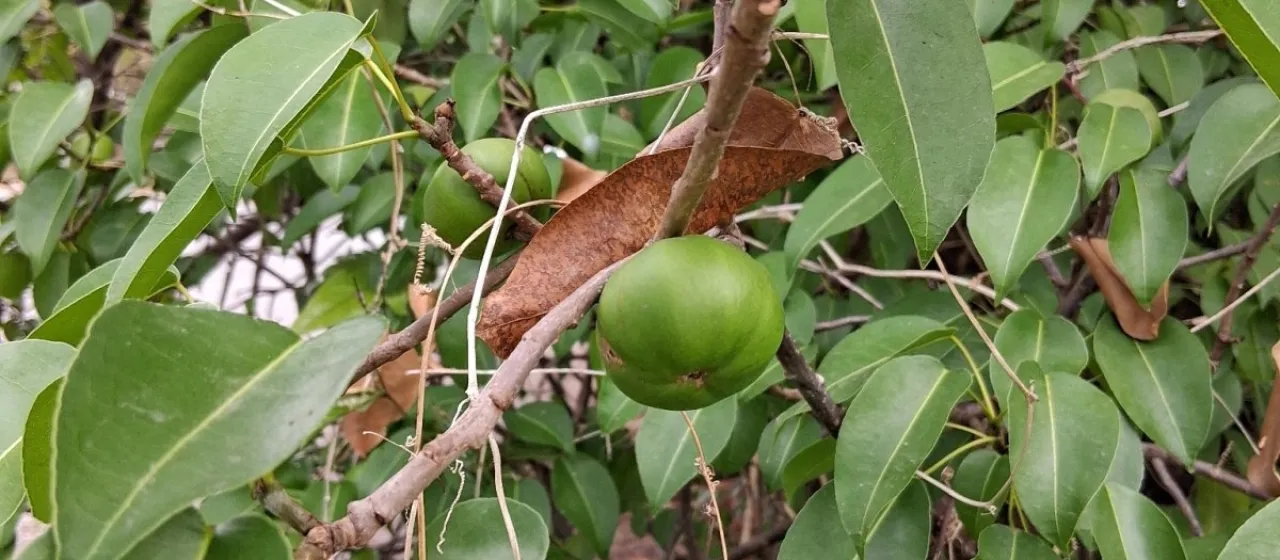
Botanically, Hippomane mancinella is a evergreen tree that can reach heights of up to 15 meters. It produces small, greenish-yellow flowers and fruit that resemble small crabapples. These fruits, despite their attractive appearance, are highly toxic and can cause severe inflammation and gastrointestinal distress if ingested.
Regarding cultivation, there is no standardized agricultural practice for this plant due to its inherent toxicity. It requires a humid, tropical climate and well-draining soil to flourish. The tree is remarkably resilient and is rarely bothered by pests or diseases, as its toxic sap serves as a natural defense mechanism against herbivores and insects.
The economic and practical use of the tree is extremely limited and requires expert knowledge to handle. Historically, the wood has been used for carpentry after a specialized drying and curing process to neutralize the sap. Currently, the most important role of the Manchineel is ecological: it serves as a windbreak and a stabilizer for sandy coastal soil, protecting beaches from erosion.