
Description
Hirtella rugosa is a woody plant belonging to the Chrysobalanaceae family. Known for its distinctively textured, rugose foliage, this plant typically manifests as a shrub or small tree in its native habitat. The species is valued for its specific adaptation to tropical environmental conditions.
The plant originates from the tropical regions of South America. Its natural range is concentrated in humid forests where the microclimate provides consistent moisture and warmth throughout the year. It has evolved to thrive under forest canopy conditions, making it highly dependent on specific light and humidity levels.
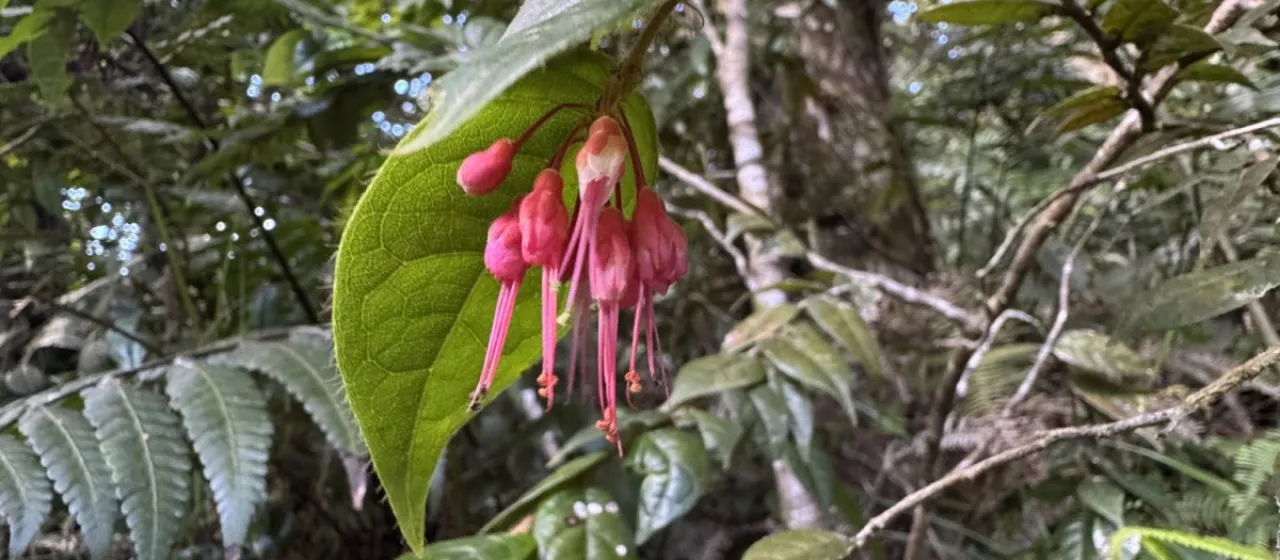
Botanically, Hirtella rugosa is characterized by its leathery, prominently veined leaves and terminal inflorescences. The flowers are generally small but showy due to their extended stamens, which are a hallmark of the family. The fruits are drupe-like structures that serve as a nutritional resource for local fauna in its native ecosystem.
Agricultural requirements center on maintaining high humidity and ensuring optimal soil drainage. The plant is sensitive to waterlogging, despite its preference for damp environments. Cultivation success depends on providing rich, acidic-to-neutral soil substrates and protection from extreme solar radiation during the early stages of growth.
- Requires well-drained, organic-rich soil
- Sensitive to low-temperature stress
- Prefers high atmospheric humidity
- Needs regular monitoring for fungal leaf diseases
In terms of хозяйственное usage, it is primarily managed in specialized botanical collections and regional landscape restoration projects. Common pests include sap-sucking insects, which must be controlled through integrated pest management. The overall health of the crop is best maintained by simulating natural forest conditions and minimizing drastic environmental fluctuations.