Hog plum
Spondias mombin L.
Description
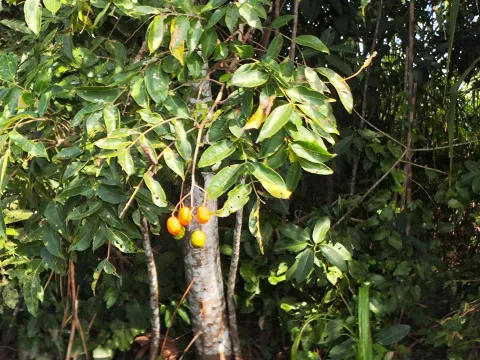
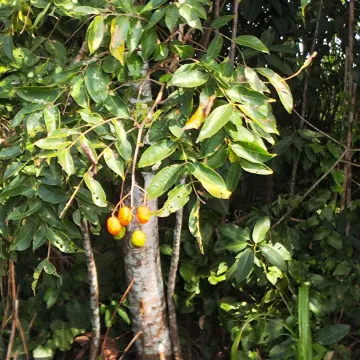
Hog plum (Spondias mombin L.) is a significant fruit-bearing tree species belonging to the Anacardiaceae family. Renowned for its resilience and fast growth rate, the tree serves as a vital resource in tropical regions, providing both edible fruits and environmental benefits such as erosion control.
The plant originates from the tropical Americas and the West Indies but has spread throughout the tropical zones of Africa and Asia. It is highly adaptable to a wide range of habitats, thriving in both secondary forests and cultivated lands. Its ability to grow from large hardwood cuttings makes it a popular choice for live fencing in rural agriculture.
Botanically, the tree is deciduous, reaching heights up to 20 meters with a spreading canopy. The leaves are pinnate, and the flowers are small, appearing in terminal panicles. The fruit is an oval, yellow drupe that contains a single, fibrous stone. The flavor of the pulp is unique, offering a distinct acidity that is highly prized in tropical cuisine.
Agricultural requirements for Spondias mombin are relatively low, as the tree exhibits high tolerance to various soil types, provided they are well-drained. It prefers warm, humid climates and full sun exposure. Propagation is typically achieved via vegetative methods or seeds, with cuttings being preferred for agricultural settings to ensure faster establishment.
- Processing of fruits into jams, jellies, and refreshing beverages.
- Traditional medicinal use of leaves and bark for treating digestive disorders.
- Utilization of wood for pulp, paper production, and light construction.
- Implementation in agroforestry systems to provide shade for sensitive crops.
The tree is generally robust, but it can be susceptible to fungal diseases like leaf spot and various fruit-boring insects. Managing these pests involves careful monitoring during the fruiting season and maintaining good orchard sanitation. Proper canopy management ensures adequate air circulation, which helps mitigate moisture-related diseases.
Photo gallery