
Description
Hoita macrostachya, commonly known as large-spiked leather root, is a perennial herbaceous plant belonging to the Fabaceae (legume) family. Formerly classified under the genus Psoralea, this species is now recognized within the distinct genus Hoita. It serves as a fascinating subject for both ecological study and potential agricultural application due to its unique growth habits in wetland-adjacent habitats.
Native to North America, specifically the western United States, this plant is primarily found in riparian zones, wet meadows, and bottomlands. Its geographic distribution highlights its preference for moist environments and high water tables. Understanding its natural habitat is crucial for those attempting to cultivate the species, as it requires specific microclimatic conditions to thrive.
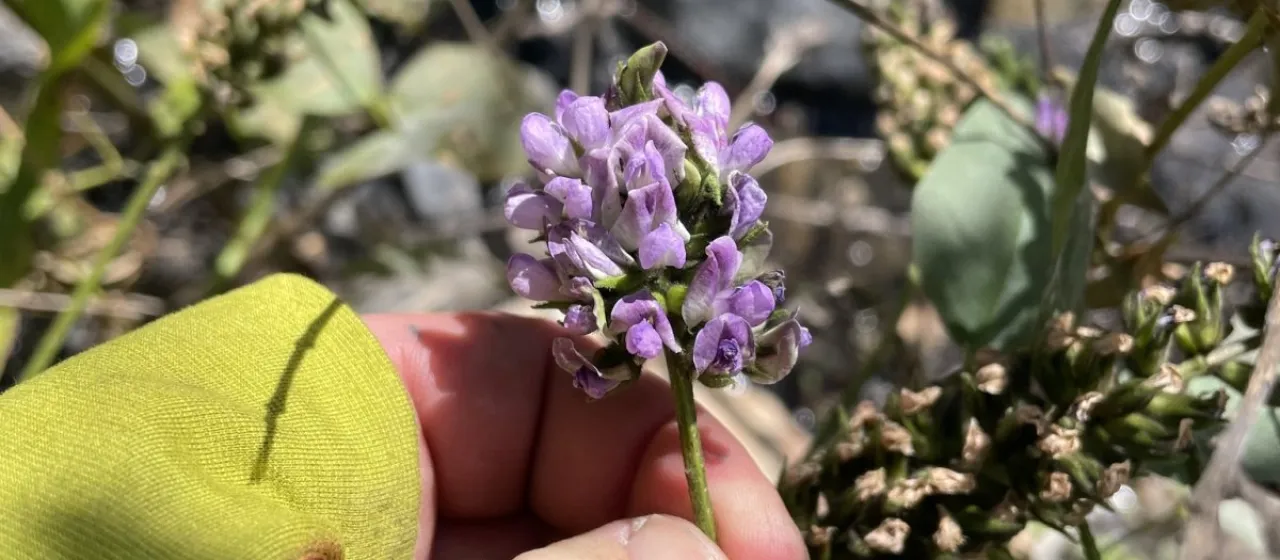
Botanically, Hoita macrostachya is characterized by its robust root system and upright stems that can reach substantial heights. The foliage consists of trifoliate leaves, a common trait among many legumes. The most distinctive feature is its dense, large, spike-like racemes, which produce numerous small, purple-to-blue flowers. The flowering phase occurs during mid-summer, making it a focal point for various pollinators.
The cultivation requirements focus on providing deep, fertile, and consistently moist soils. Unlike many drought-tolerant legumes, this species requires reliable water availability, although it does not tolerate permanent flooding. Agronomic management involves site preparation, adequate spacing to allow for airflow, and managing competing weeds during the establishment phase to ensure the plants reach maturity without nutrient competition.
The potential хозяйственное (economic) use of the crop includes several areas:
- Soil stabilization and erosion control on damp slopes and riverbanks.
- Incorporation into pollinator gardens and conservation landscaping.
- Potential use as a forage crop, though nutritional data requires further validation.
- Use in environmental restoration projects to restore native wetland biodiversity.
When it comes to plant health, Hoita macrostachya is susceptible to fungal issues such as leaf spot or root rot if air circulation is poor or if the soil remains excessively stagnant for long periods. Insect pests, including aphids and various beetles that target legumes, may also affect plant vigor. Integrated pest management, focusing on early detection and maintaining plant health through proper spacing, is the most effective strategy for control.