Holboellia brachyandra
Holboellia brachyandra H. N. Qin
Description
Holboellia brachyandra is a robust, evergreen woody vine belonging to the family Lardizabalaceae. Recognized for its aggressive growth habit and dense foliage, it serves as an excellent ornamental plant for vertical landscaping in suitable climatic zones.
The species originates from the mountainous forests of China. Its natural habitat is characterized by temperate to subtropical conditions with high humidity and moderate sunlight. When cultivated, it performs best in regions where extreme winter frosts are rare, as this allows the vine to maintain its evergreen foliage throughout the year.
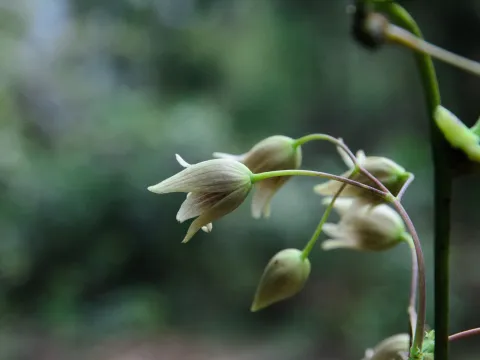
Botanically, the plant is distinguished by its leathery, palmately compound leaves and unique floral structure, specifically the short stamens that give the species its name. The vines are highly flexible and use twining stems to climb surfaces, reaching significant heights when provided with adequate structural support.
Successful cultivation requires fertile, well-draining soil with a pH ranging from neutral to slightly acidic. The plant thrives in semi-shaded to sunny positions, provided it is shielded from harsh, desiccating winds. Irrigation must be consistent to maintain soil moisture, especially during the peak growing season, to prevent wilting.
- Strategic placement to avoid severe winter frost damage.
- Application of organic mulch to retain root moisture.
- Structural support installation before vigorous growth.
- Spring pruning to encourage denser foliage growth.
Economically, this species is primarily used in the horticultural industry for garden design, arbors, and screening fences. While generally resilient, the plant can be susceptible to aphids and powdery mildew in poorly ventilated or excessively humid conditions. Regular monitoring and proper spacing are essential for maintaining the health and aesthetics of the vine.
Photo gallery