
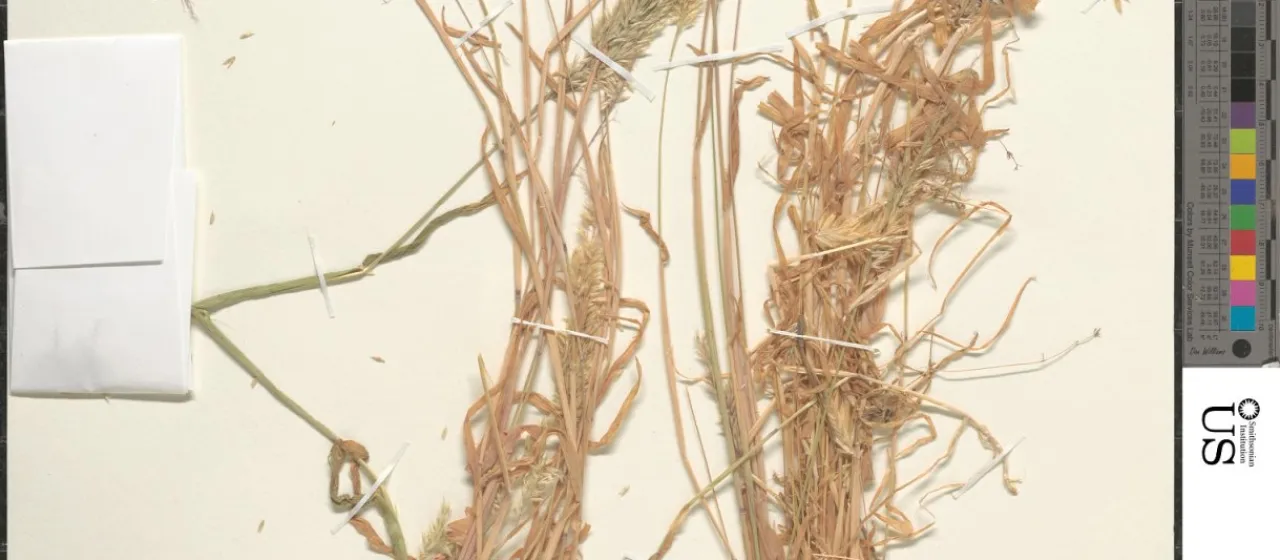
Description
Annual velvet grass (Holcus annuus) is a species of grass belonging to the Poaceae family. As an annual plant, it completes its life cycle within a single growing season, making it an interesting subject for studies on ephemeral vegetation dynamics in various agricultural ecosystems and natural grasslands.
The species is primarily native to North America, particularly California, where it has adapted to specific climatic conditions characterized by dry summers and wet winter periods. Its distribution is often localized to grasslands, open fields, and disturbed soils where it can compete effectively with other pioneer species.
Botanically, Holcus annuus is distinguished by its pubescent (hairy) leaves and stems, which provide a velvety texture and adaptive resistance to heat and transpiration. It typically reaches a modest height, producing compact panicle inflorescences that may display shades ranging from silver to reddish-purple, depending on local environmental stressors.
Regarding cultivation requirements, the plant thrives in well-drained soils that allow for rapid root development. It performs best in Mediterranean-type climates, requiring sufficient light to stimulate biomass production. In terms of agronomy, soil preparation should focus on surface aeration, and sowing should be timed to avoid frost risks during the early germination stages.
The economic utility of this grass is primarily focused on forage production in grazing systems. When managed correctly, it provides early-season greenery that is palatable for livestock. Farmers should monitor for typical fungal diseases such as leaf rusts and mildews, which can affect foliage quality if the canopy becomes too dense or ventilation is poor.