
Description
Holigarna kurzii is a robust tropical evergreen tree belonging to the Anacardiaceae family. This genus is well-known in tropical botany for producing distinct resinous compounds, which act as a natural defense mechanism for the plant against herbivores and pathogens.
The native range of this species is located in the tropical regions of Southeast Asia, specifically in Myanmar and the Andaman Islands. The tree thrives in warm, humid tropical environments that experience minimal seasonal temperature fluctuations, allowing for year-round growth.
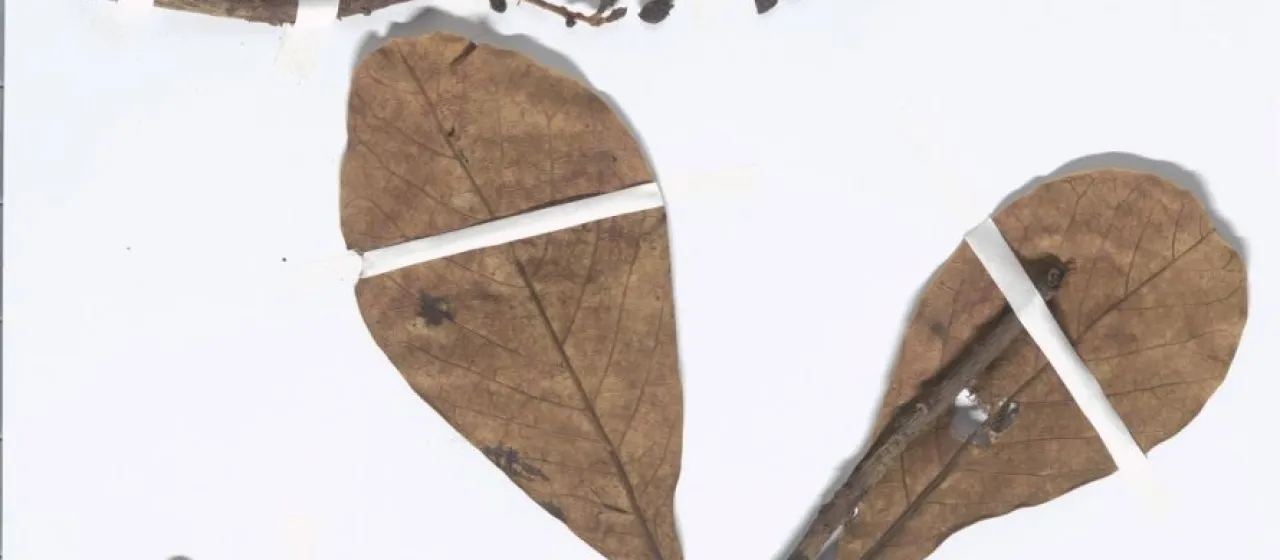
Botanically, it features a sturdy trunk and a dense canopy consisting of large, leathery leaves. The tree relies on a sophisticated vascular system that transports nutrients and sap. Care must be taken when handling plant tissue, as the sap is known to be irritating to skin and mucous membranes.
Successful cultivation requires deep, well-drained, and nutrient-rich soils. Water stagnation is detrimental to the root health of Holigarna kurzii, making proper land grading and drainage systems essential for plantation management. In terms of silviculture, the species requires shade during its early seedling stages before it can tolerate full sun exposure.
Economically, the species is primarily valued for its timber. The wood is utilized in furniture manufacturing and general carpentry due to its structural properties. While it is not a common food crop, its role in forest ecosystems and local wood industries makes it a subject of interest for sustainable tropical forestry practices.
- Family: Anacardiaceae.
- Origin: Southeast Asia.
- Growth Habit: Evergreen tree.
- Soil Preference: Well-drained, fertile.
- Primary Utility: Timber and forestry.