
Description
Queensland poplar (Homalanthus populifolius) is a perennial evergreen shrub or small tree belonging to the Euphorbiaceae family. It is widely recognized for its fast-growing nature and its ability to colonize disturbed areas, earning it a reputation as a resilient species in its native ecosystems.
Originating from the eastern regions of Australia and parts of the Pacific Islands, this plant thrives in tropical and subtropical moist forests. It is naturally found along creek beds and forest edges where the soil moisture remains consistent throughout the year, allowing it to establish deep root systems.
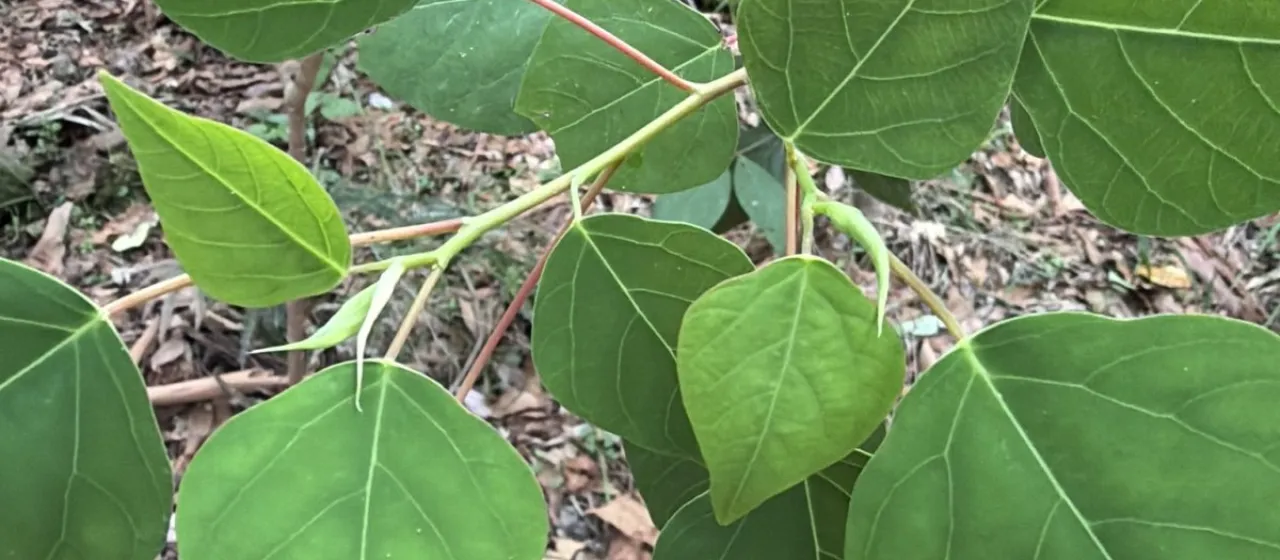
Botanically, the species is characterized by its heart-shaped, poplar-like leaves that are glossy and green for most of the season. A distinct feature of this plant is the tendency of the aging foliage to turn brilliant shades of red and orange before abscission, which enhances its aesthetic appeal significantly.
Cultivation requirements involve providing a fertile, well-draining soil medium with high organic content. While the plant prefers full sun to light shade, young specimens benefit from shelter to prevent leaf scorch. Consistency in irrigation is the most critical factor, as the species is highly sensitive to prolonged drought periods.
Economically, the plant is primarily utilized in landscaping and restoration projects for its ability to provide rapid cover. While it is rarely grown for commercial agricultural production, it serves as a valuable specimen for ornamental gardening. Common management concerns include monitoring for aphids and preventing root rot by avoiding waterlogged soil conditions.