
Description
Sea sandwort (Honckenya peploides) is a perennial herbaceous plant belonging to the Caryophyllaceae family. It is a specialized halophyte, naturally adapted to thrive in harsh coastal environments characterized by high salinity and intense wind exposure. In an agricultural context, this plant is increasingly recognized for its resilience and ability to colonize environments where standard crops fail to establish.
The native range of the species encompasses the sandy shores and coastal dunes of the Northern Hemisphere, spanning from the Arctic to temperate regions of Europe, Asia, and North America. It is a primary colonizer of maritime dunes, where it plays a critical role in stabilizing shifting sands. Its success in these regions is driven by deep root systems and specialized morphological adaptations to salt-rich environments.
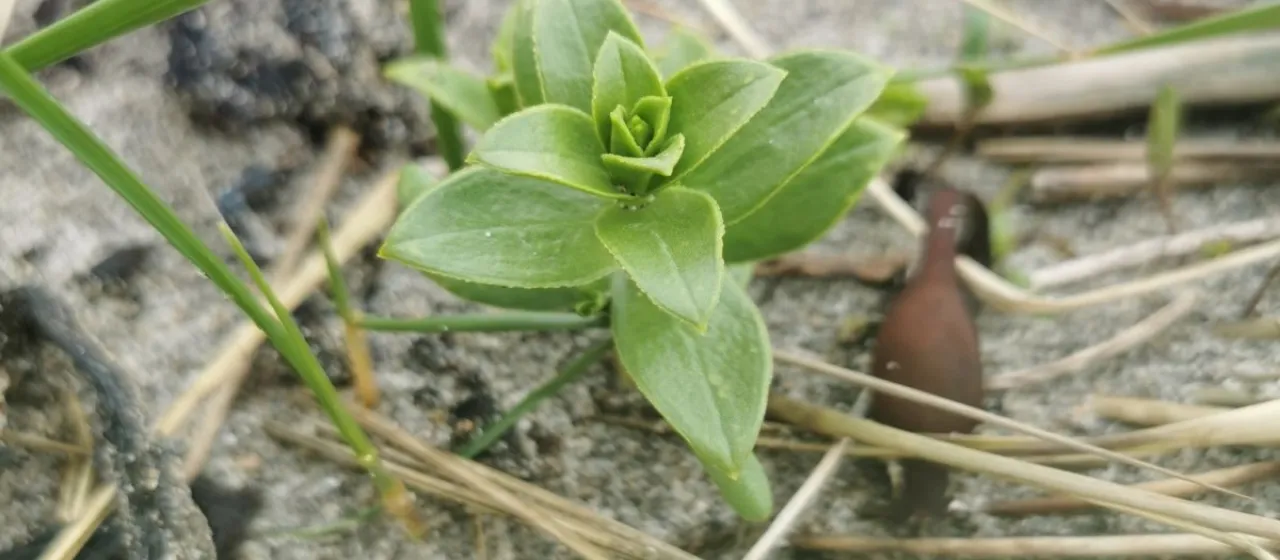
Botanically, the plant is characterized by succulent, fleshy leaves arranged in opposite pairs, covered in a waxy cuticle that minimizes transpiration. It grows in a prostrate, mat-forming habit, creating dense colonies that trap sand. The reproductive biology involves small, inconspicuous flowers that produce buoyant seeds, allowing for wide dispersal along coastlines by oceanic currents during tidal events.
Agricultural requirements for sea sandwort focus on providing well-drained, sandy substrates with salinity levels that mimic natural coastal habitats. The plant thrives in cool, humid climates with high levels of irradiance. When cultivating this species, growers must pay attention to moisture management; although it tolerates salt well, it requires consistent moisture in the root zone to sustain its fleshy tissue growth during peak season.
The primary economic value of the crop lies in its edible potential and utility in coastal restoration. The young, succulent shoots have a pleasant, salty flavor, making them a gourmet addition to culinary dishes. Beyond food use, sea sandwort is highly valued for phytostabilization, effectively preventing wind erosion on delicate coastal ecosystems and providing a sustainable solution for land management in saline areas.
Regarding plant health, sea sandwort is generally robust due to its specialized physiology. Potential threats include root rot triggered by waterlogged conditions in poorly drained soils. Since the plant naturally exists in environments with low pest pressure, it rarely requires significant chemical intervention. Integrated pest management, centered on maintaining optimal soil drainage and site sanitation, is typically sufficient to ensure a healthy yield.