
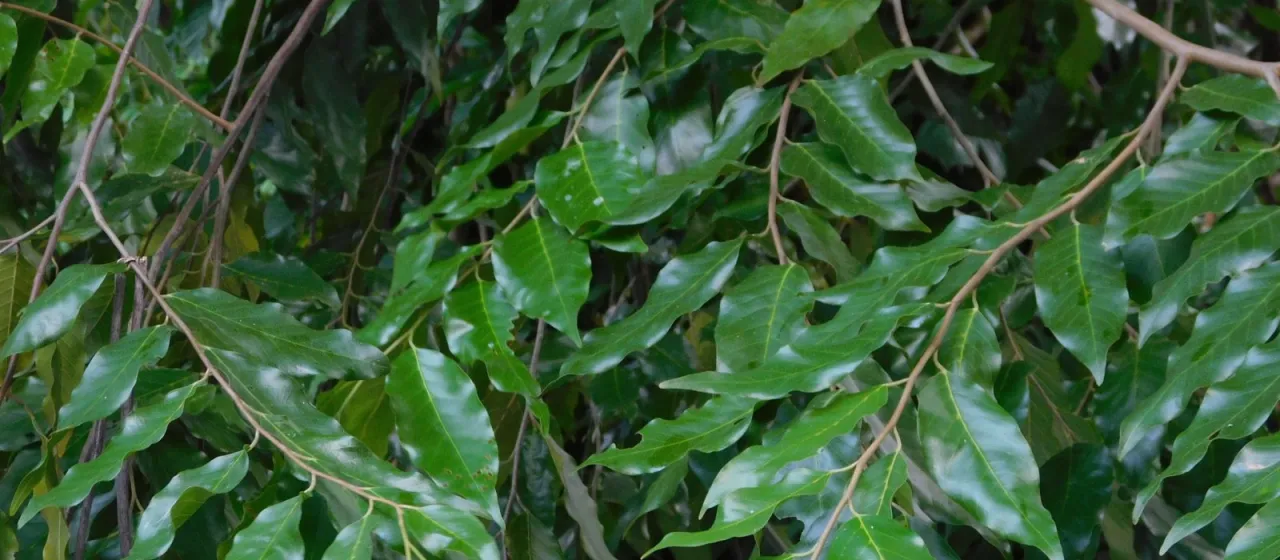
Description
Hopea odorata Roxb. is a prominent evergreen tree belonging to the Dipterocarpaceae family. It is a vital species in tropical silviculture, widely recognized for its robust growth habit, majestic stature, and the superior quality of its timber, which serves as a foundation for various woodworking industries.
The native distribution of this species spans the tropical regions of South and Southeast Asia, including India, Myanmar, Thailand, and Vietnam. It naturally inhabits evergreen forests, often thriving in riparian zones where soil moisture is consistent, but it is also grown in plantations throughout similar tropical climates globally.
Botanically, Hopea odorata is characterized by its large canopy and a straight, cylindrical trunk that can reach heights of up to 45 meters. The leaves are leathery and elliptical, contributing to the dense shade provided by the tree. It produces small, fragrant flowers, followed by winged fruits that facilitate effective natural regeneration through wind dispersal.
Cultivation requirements for this species include deep, fertile, and well-drained soils. While it thrives in humid environments with high annual rainfall, it requires careful management during the seedling stage, specifically regarding shade regulation. As the tree matures, it exhibits a higher tolerance for sun exposure and becomes a dominant feature of the forest landscape.
The primary economic value of Hopea odorata lies in its durable, termite-resistant wood, which is extensively used for heavy construction, bridge building, and premium furniture manufacturing. Beyond its timber utility, it is a popular choice for urban forestry and reforestation projects due to its fast growth rate and high carbon sequestration potential.
Common issues affecting the health and yield of this crop include:
- Root rot caused by poor soil aeration and waterlogging.
- Infestations by stem-boring insects that can degrade wood quality.
- Competitive pressure from invasive undergrowth in managed plantation settings.