
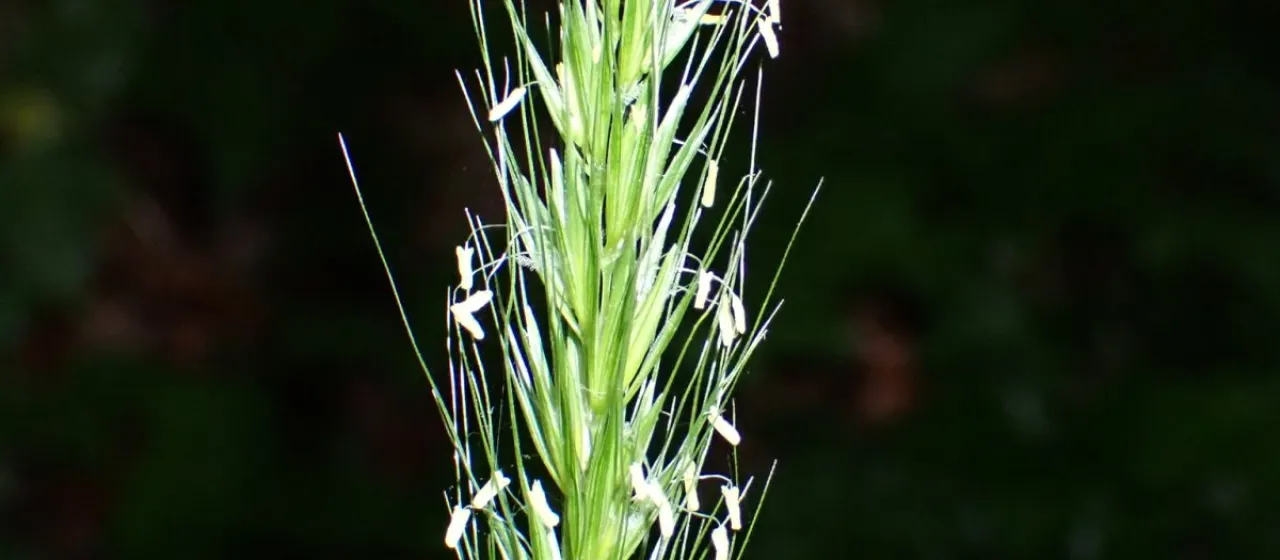
Description
Wood barley (Hordelymus europaeus) is a perennial grass species belonging to the Poaceae family. As the sole species in its genus, it represents a unique evolutionary branch of temperate grasses. In professional agronomy and forestry, it is recognized for its ability to thrive in shaded environments where other typical cereal crops would struggle to survive.
The native range of this species extends across the forests of Europe, the Caucasus, and parts of Western Asia. It is primarily found in deciduous woodlands, thriving in nutrient-rich, moist, and well-drained soils. In terms of agricultural application, it is increasingly valued in silvopastoral systems and as a pioneer species for ecological restoration in forest-adjacent regions.
Botanically, it is a loosely tufted grass that typically reaches heights of 60 to 120 cm. The plant features broad, rough leaf blades and a distinct spike-like inflorescence. The long awns on the spikes bear a striking resemblance to barley (Hordeum), which is reflected in both its common and scientific names. Its root system is well-adapted to the competition for resources in woodland soil environments.
Cultivation requirements for wood barley prioritize the replication of its natural habitat. It performs best in fertile, neutral-to-alkaline soils and requires consistent moisture without waterlogging. Being a shade-tolerant plant, it is not suitable for open-field full-sun agriculture, making its management specific to forest maintenance or shade-grown agroforestry applications where microclimate regulation is possible.
The primary agricultural and economic uses include:
- Providing high-quality forage in silvopastoral forest systems.
- Restoration and protection of forest floor biodiversity.
- Serving as a ground cover plant for soil erosion control in shady terrain.
- Utilization in academic research related to cold-hardy and shade-tolerant cereal ancestors.
Common health issues in wood barley crops include fungal infections like rust and powdery mildew, which are more prevalent in stagnant air conditions. Insect pests such as cereal leaf beetles and various species of aphids may target the leaves and reproductive parts. Integrated pest management, focusing on habitat maintenance and regular monitoring, is essential to ensure long-term stand health and productivity.