
Description
Meadow barley (Hordeum brachyantherum) is a perennial grass species belonging to the family Poaceae. It is a vital component of natural grasslands and meadows, valued for its resilience and ability to thrive in a wide range of moisture conditions.
The species is native to western North America, stretching from Alaska down to California and into parts of Mexico. Its natural habitat includes damp meadows, riverbanks, coastal salt marshes, and open woodlands. Its broad distribution reflects its impressive ability to adapt to varying soil salinity and hydrology.
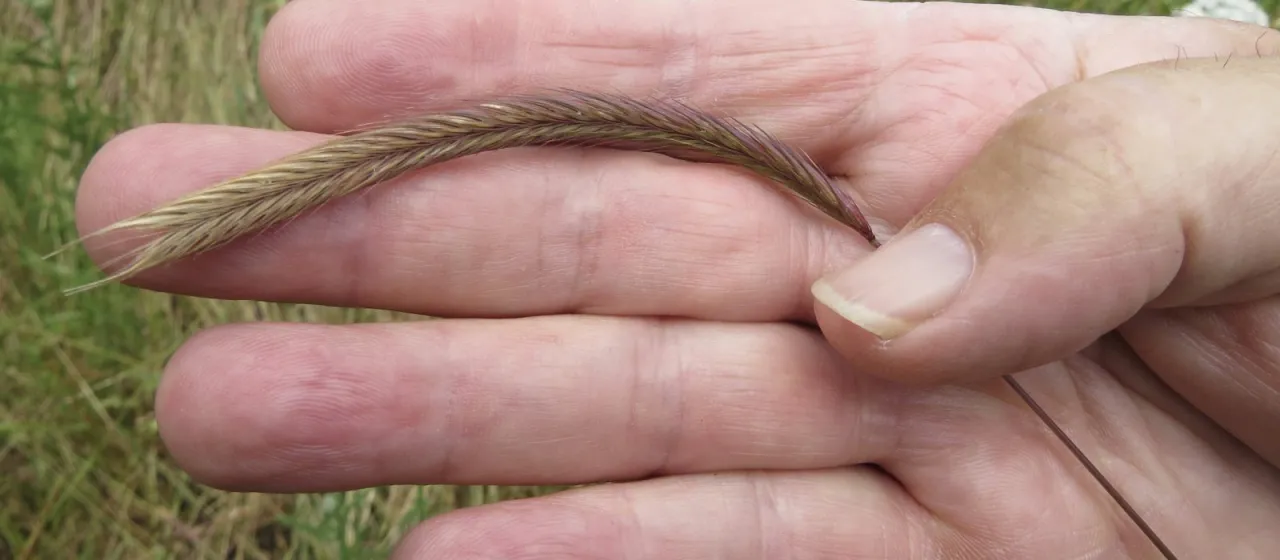
Botanically, it typically grows in bunches, reaching heights of 30 to 90 centimeters. The stems are slender and erect, topped by a spike-like inflorescence. Unlike many other barley species, it features shorter awns, which distinguishes it morphologically. It usually flowers from late spring to mid-summer, depending on the latitude and altitude.
Regarding cultivation, meadow barley requires moisture-retentive soils to achieve maximum biomass production. It is highly cold-tolerant and exhibits superior winter hardiness. While it can tolerate poorly drained soils, it performs best on loamy substrates with adequate aeration. In terms of agronomy, it is often utilized in restoration ecology for seeding degraded rangelands.
The main agricultural utility of meadow barley is its function as high-quality forage for livestock. It is palatable and nutritious, especially during its vegetative stage. Like most cool-season grasses, it is susceptible to:
- Rust diseases (Puccinia spp.)
- Powdery mildew (Erysiphe graminis)
- Various aphids that can reduce forage yield
- Stem-boring insects in specific regions
Effective management involves controlled grazing patterns to maintain the plant's vigor and prevent overgrazing, which can deplete the root reserves of this perennial grass.