
Description
Sea barley (Hordeum marinum) is an annual grass species belonging to the Poaceae family. Unlike common barley, which is a staple crop, sea barley is recognized as a halophyte, perfectly adapted to thrive in saline environments, such as salt marshes, coastal dunes, and saline soils where conventional crops would fail to germinate.
The native range of this species is extensive, covering the Mediterranean Basin, Western Europe, and parts of Western Asia. It is typically found in habitats that are subject to seasonal flooding with brackish water or have naturally high mineral content, demonstrating remarkable resilience to osmotic stress caused by high salinity.
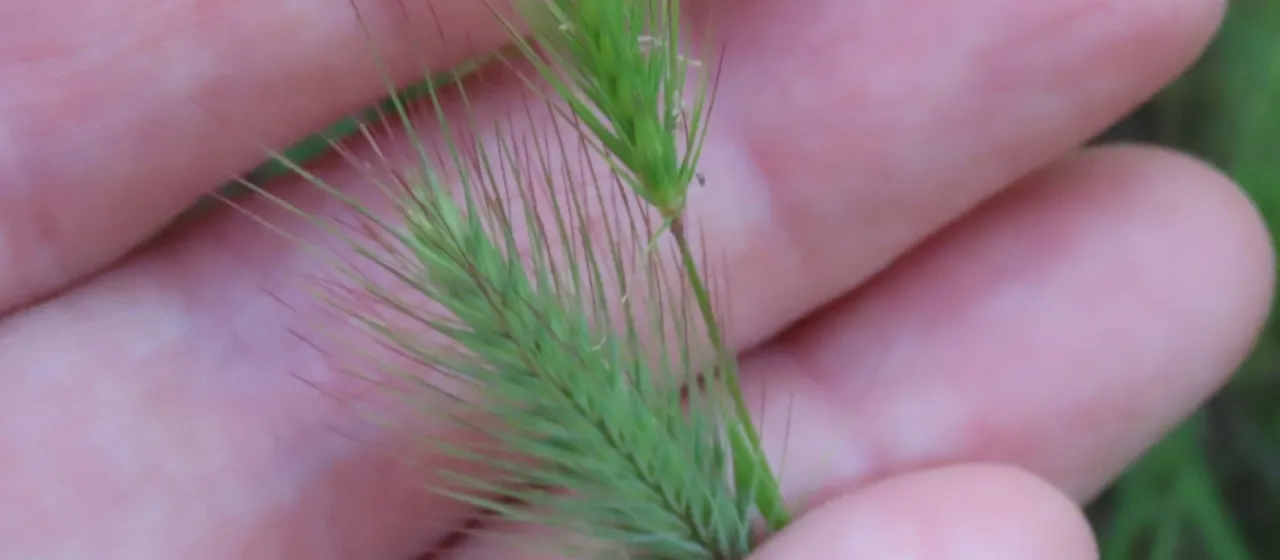
Botanically, sea barley is characterized by its slender stems, glaucous leaves, and a relatively small, flattened spike that breaks into segments at maturity. These traits allow the plant to efficiently distribute its seeds in dynamic coastal environments, ensuring the species' survival across shifting sandy and saline substrates.
Regarding climate and soil requirements, Hordeum marinum prefers temperate climates with mild winters and requires full sun exposure to flourish. It does not demand high-nutrient soils but thrives where salinity levels would be inhibitory for most other grasses. It is rarely cultivated, but its unique genome is a valuable asset in modern plant breeding programs.
The primary agricultural interest in sea barley lies in its potential for creating salt-tolerant crop hybrids through genetic research. While not a commercial crop, it can serve as a component of marginal grazing lands. Common threats to the plant include various rust fungi and cereal-specific insects that can impact biomass development in wild populations.