
Description
Azure bluet (Houstonia caerulea) is a charming perennial flowering plant belonging to the Rubiaceae family. Often referred to simply as bluets, this culture is highly regarded for its delicate appearance and its ability to form dense, low-growing mats that brighten up shaded areas of the garden.
The plant is native to eastern North America, where it typically inhabits moist meadows, rocky outcrops, and woodland edges. Because of its adaptability and aesthetic appeal, it has been cultivated extensively for use in rock gardens and native plant landscapes across similar climatic zones globally.
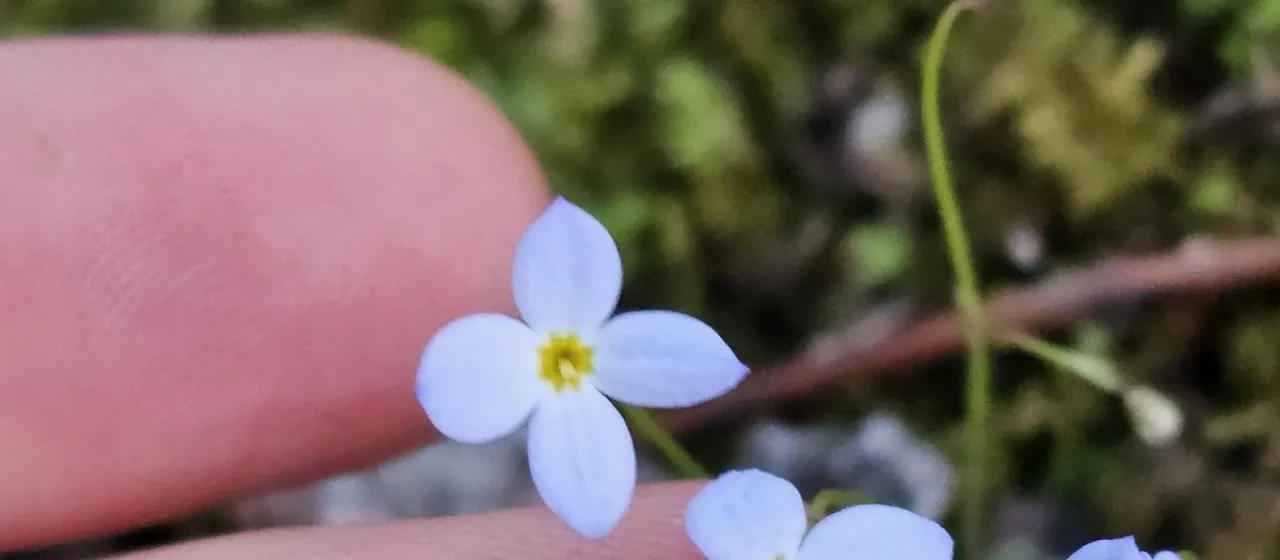
Botanically, the plant is characterized by small, spatulate leaves arranged in a basal rosette. It produces solitary, four-petaled flowers that feature a distinct yellow center. The petals range in color from pale white to sky blue, creating a vibrant display when the plant blooms during the spring months.
Cultivation requires specific environmental conditions to thrive. The plant prefers slightly acidic, well-drained, yet consistently moist soils rich in organic matter. While it can handle some sun, Azure bluet performs best in partial shade, as excessive heat and direct sunlight can cause the foliage to wilt or dry out prematurely.
Regarding practical use, the culture is primarily utilized in horticultural settings to provide ground cover or to add texture to specific garden themes, including:
- Rock gardens and alpine displays;
- Shaded woodland border edges;
- Native pollinator garden patches;
- Small-scale container gardening.
In terms of health management, growers should monitor for potential fungal issues if drainage is poor. While generally robust, the plant can occasionally suffer from aphids or spider mites, particularly in overcrowded conditions. Regular maintenance, such as ensuring proper spacing and checking soil moisture levels, is essential to keep the crop healthy and decorative.