
Description
Hovea acutifolia, commonly known as the point-leaved hovea, is a perennial evergreen shrub belonging to the Fabaceae family. It is highly valued for its striking, pea-shaped flowers that bloom in vivid shades of purple, providing a vibrant display during the spring season.
The species is native to eastern Australia, specifically inhabiting the coastal regions and forests of Queensland and New South Wales. It thrives in various ecological niches, ranging from open forest understories to rocky hillsides, reflecting its hardiness and adaptability to different environmental conditions.
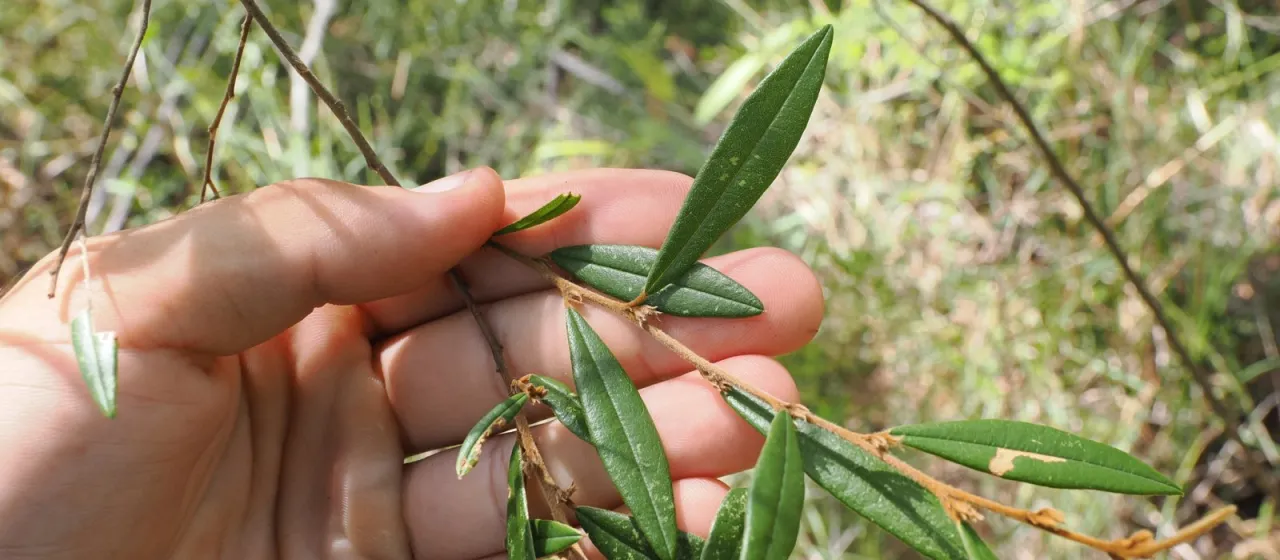
Botanically, the plant is distinguished by its lanceolate, pointed leaves which feature a rusty or silvery pubescence on the underside. Its growth habit is typically bushy and compact, reaching heights that make it an ideal choice for mid-layer landscape planting. The flowers emerge from the leaf axils, creating a dense appearance when in full bloom.
For cultivation, Hovea acutifolia requires well-draining soil, typically preferring sandy loams or enriched potting mixes that mimic its natural habitat. Key agronomic practices include avoiding over-fertilization, especially with phosphorus, and ensuring that the root system is never waterlogged, as it is susceptible to root rot in poorly drained conditions.
- Requires partial to full sun exposure for optimal flowering.
- Minimal pruning is needed, mostly to maintain shape after the flowering cycle.
- Highly attractive to native pollinators and beneficial garden insects.
The primary use of this plant is ornamental, utilized in native garden designs and restoration projects in compatible climates. While generally resilient, it can be affected by pests such as aphids or scale insects if stressed, and proper air circulation is essential to prevent fungal outbreaks during humid seasons.