
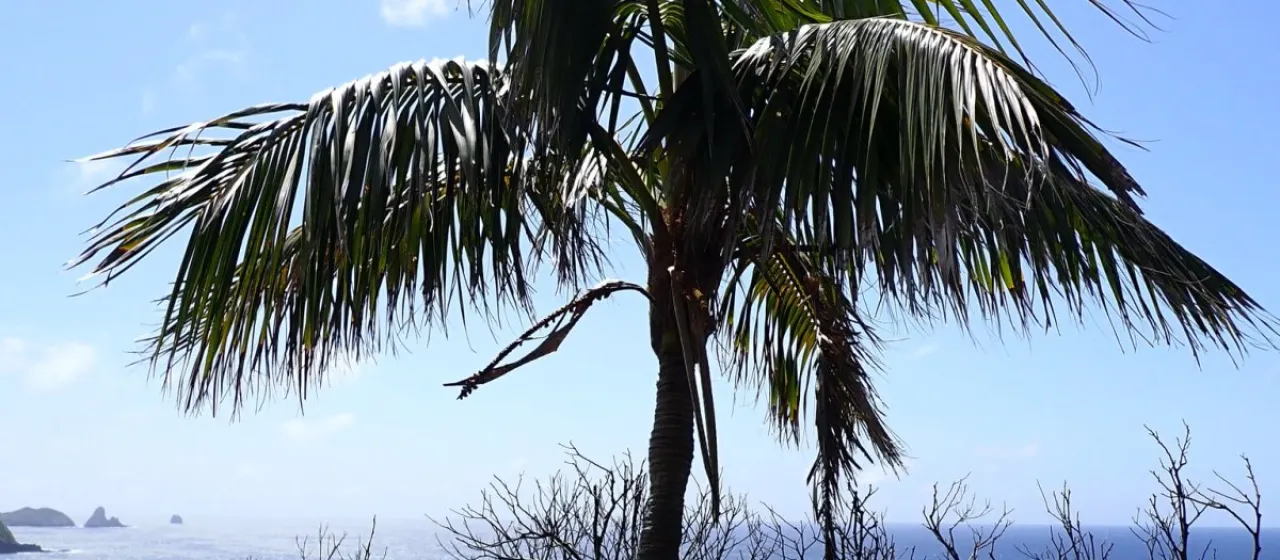
Description
Howea forsteriana, commonly known as the Kentia palm, is a distinguished ornamental plant belonging to the Arecaceae family. It is widely recognized in professional horticulture for its elegance, durability, and ability to thrive in indoor environments, making it a valuable commercial crop for nurseries and interior landscaping.
The species is native to Lord Howe Island, situated in the Tasman Sea. This restricted geographical distribution has endowed the plant with a natural resilience to various indoor environmental stressors. Today, it is cultivated globally as a high-value horticultural product for both residential and commercial interior design purposes.
Botanically, this palm is defined by a slender, singular stem crowned with graceful, arching, dark green pinnate leaves. It is a slow-growing species, which requires long-term planning for nursery production. The root system is relatively shallow, necessitating properly sized containers that facilitate healthy root development without excessive soil volume.
Agricultural requirements for the Kentia palm focus on maintaining optimal light conditions, specifically bright, indirect light. Direct sunlight can cause leaf scorching, while deep shade can stunt development. The substrate should be well-draining, slightly acidic, and rich in organic matter. Proper irrigation management is critical to prevent waterlogging, which the plant does not tolerate.
- Maintenance of consistent soil moisture during the growing season.
- Application of balanced fertilizers at regular intervals.
- Routine dusting of foliage to enhance gas exchange.
- Gradual acclimatization during changes in ambient temperature.
Common pests affecting Howea forsteriana include spider mites and scale insects, which often appear when air humidity levels are too low. Pathogenic issues are typically linked to root rot caused by poor soil drainage and irrigation errors. Effective management relies on consistent monitoring and maintaining optimal environmental conditions to ensure plant vitality.