
Description
Howittia trilocularis, commonly known as Blue Howittia, is an intriguing perennial shrub belonging to the Malvaceae family. It is the sole species in the genus Howittia, making it a unique botanical specimen for collectors and enthusiasts of Australian native flora.
The plant originates from the southeastern parts of Australia, specifically inhabiting forest understories and scrublands. It thrives in temperate regions, preferring sheltered environments that mimic the natural dappled shade of its native habitat. Due to its specific environmental preferences, it is primarily cultivated in botanical gardens or private collections in mild climates.
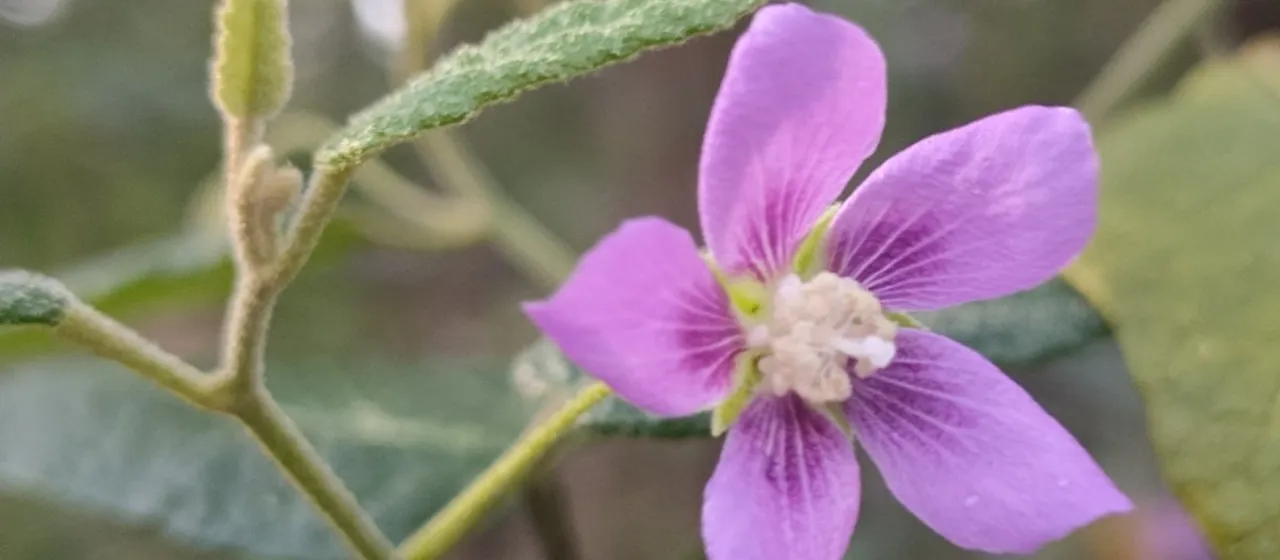
Botanically, Howittia is characterized by its velvety, heart-shaped leaves and distinct bell-shaped flowers. The blossoms, which appear in shades of deep blue to purple, emerge from the leaf axils, providing a subtle yet striking display. The fruit is a three-celled capsule, which distinguishes the species from other related members of the mallow family.
Cultivation of this shrub requires careful attention to soil composition and water management. It prefers well-drained, fertile soil enriched with organic matter. Growers should ensure that the plant is placed in a spot that offers partial shade, as intense direct sunlight can scorch the foliage and reduce the vigor of the plant during the peak of summer.
- Avoid waterlogged soil conditions to prevent root rot.
- Pruning after flowering encourages denser growth habits.
- Propagation is usually performed via seed germination or stem cuttings.
Economically and horticulturally, Howittia is valued for its ornamental appeal. It is an excellent choice for cool-climate gardens looking for unique native accents. While generally hardy, the plant can be susceptible to common garden pests such as aphids or spider mites, and maintaining good air circulation is key to preventing fungal infections in more humid environments.