
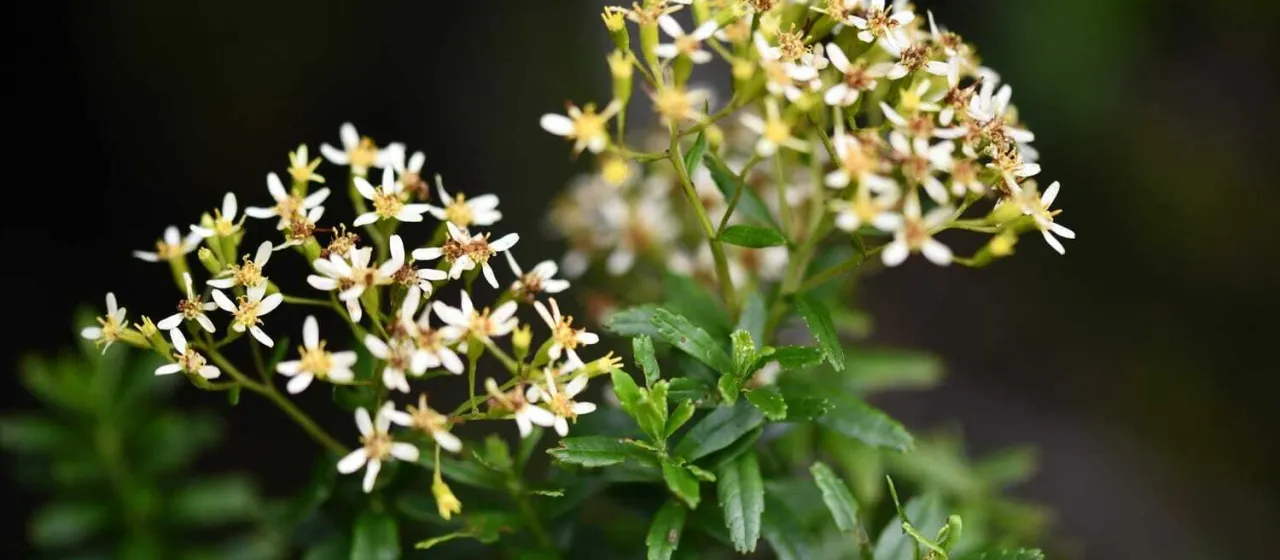
Description
Hubertia ambavilla is an evergreen perennial shrub belonging to the Asteraceae family. This species is endemic to the high-altitude regions of Reunion Island, an environment that has shaped its unique physiological adaptations. As a member of the diverse sunflower family, it exhibits characteristic traits such as composite flower heads and a robust woody stem structure.
Botanically, the plant is recognized by its dense foliage and leathery leaves, which are well-suited to the harsh wind and ultraviolet exposure common in its natural habitat. The flowers bloom in corymb-like inflorescences, providing both aesthetic value and ecological support for local pollinators. It is a resilient species that typically colonizes rocky soils and mountain slopes.
Regarding cultivation, Hubertia ambavilla thrives in well-draining, nutrient-rich soils with a slightly acidic profile. Because of its native environment, it requires a climate with consistent humidity and good air circulation. Excessive heat or stagnant water in the root zone must be avoided to prevent physiological decline, making it a demanding plant for controlled greenhouse or outdoor garden environments.
The historical use of this plant is largely centered on ethnomedicine within its native region. Local communities have traditionally utilized its leaves and stems for preparing infusions aimed at addressing various inflammatory conditions and fever management. Currently, there is growing interest in the species for potential applications in botanical research and landscape design in subtropical regions.
The successful management of this culture involves monitoring for common horticultural pests and pathogens, including:
- Powdery mildew triggered by high humidity levels.
- Aphid infestations during the intensive vegetative growth phase.
- Rhizosphere pathogens leading to root rot in poorly aerated soils.
- Spider mites thriving in low-humidity conditions.