
Description
Hulsea algida is a perennial herbaceous plant belonging to the Asteraceae family. It is a specialized alpine species that thrives in high-elevation habitats, exhibiting unique adaptations that allow it to survive in environments characterized by short growing seasons and nutrient-poor, rocky substrates.
The native range of this plant is restricted to the mountainous regions of Western North America, particularly within the high peaks of the Sierra Nevada and surrounding ranges. It typically populates alpine meadows, rocky scree slopes, and exposed ridgelines, which underscores its extreme hardiness and preference for well-drained, mineral-rich soils.
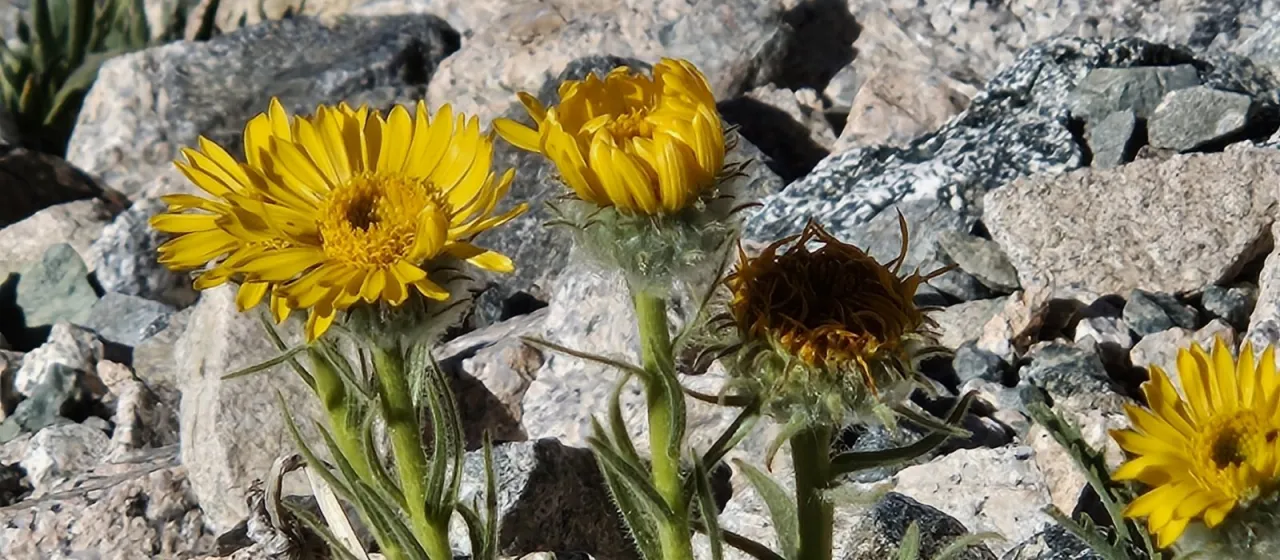
Botanically, the plant is distinguished by a basal rosette of leaves that are often densely glandular or hairy, serving as a protective mechanism against moisture loss and intense UV exposure. The inflorescences are typical daisy-like flower heads, which are adapted to attract specific high-altitude pollinators, reflecting the plant's evolutionary specialization.
Cultivation requirements for Hulsea algida are stringent and demand a focus on soil structure. The medium must be extremely porous, preferably a gravel-based mix with minimal organic matter. Irrigation must be managed carefully, as the root crown is highly susceptible to rot if exposed to standing water or high humidity, especially during the dormant season.
In terms of agricultural and horticultural utilization, this species is primarily valued by specialized collectors for rock gardens and alpine houses. Major disease threats include soil-borne pathogens like Phytophthora, often triggered by over-watering. Common pests that may impact the plant include aphids or slugs, particularly if the plant is grown in a protected, non-alpine environment.