
Description
Humiria balsamifera is an evergreen tree species belonging to the Humiriaceae family. It is a significant tropical plant primarily recognized for the production of a fragrant resinous substance known as umiri balsam. Depending on the environmental conditions and the specific variety, the plant may manifest as a tall forest tree or a smaller, shrub-like form, showing a high level of ecological adaptation.
The origin of Humiria balsamifera is deeply rooted in the tropical regions of Central and South America, particularly within the Amazon basin and the Guiana Shield. It thrives in diverse ecosystems, ranging from dense rainforests to open savannahs. Its distribution is closely linked to specific soil types that are typically acidic and well-drained, which are common in its native tropical habitat.
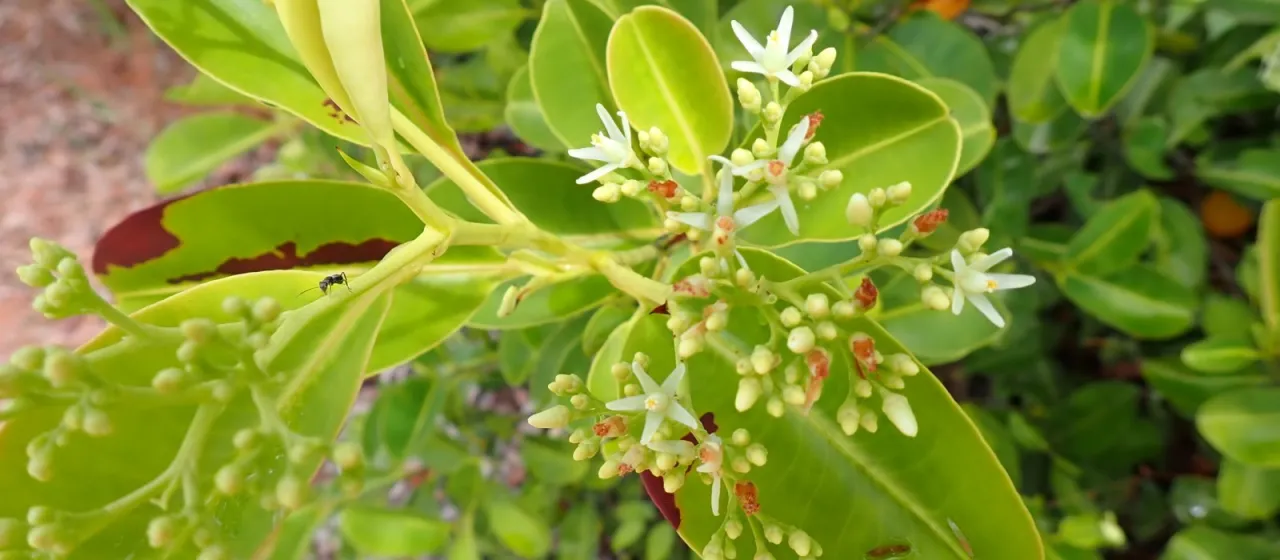
Botanically, the species is characterized by its leathery, simple leaves and small, fragrant white flowers arranged in inflorescences. The fruit is a drupe, which plays a vital role in local biodiversity. The tree's root system is robust, allowing it to anchor effectively in various soil substrates, provided that moisture levels are sufficient to support sustained growth throughout the year.
Agricultural practices for this species focus on providing optimal warmth and humidity, as the plant cannot tolerate freezing temperatures. Soil preparation involves ensuring good drainage to prevent root rot, which is a common issue in overly saturated tropical soils. Propagation is primarily achieved through seeds, which require careful handling to maintain viability before sowing. Maintenance includes periodic pruning to manage tree shape and facilitate the harvesting of resin.
The economic utility of Humiria balsamifera is quite broad. The most famous product is the balsamic resin extracted from the bark, which is utilized in the pharmaceutical, cosmetic, and perfumery industries for its antiseptic and aromatic qualities. The timber is highly valued for its durability and structural strength in carpentry. Common diseases include fungal infections of the stem, and pest control typically involves monitoring for insects that affect young foliage or wood-boring pests.