Bluebell
Hyacinthoides non-scripta
Description
Hyacinthoides non-scripta, commonly known as the common bluebell, is a perennial bulbous plant belonging to the Asparagaceae family. It is a classic spring ephemeral that is highly valued in horticulture for its spectacular, carpet-like flowering habit. The plant is botanically adapted to completing its entire life cycle before the canopy of deciduous trees fully closes, which is a key survival strategy.
Originating from the Atlantic regions of Western Europe, its primary range stretches from the British Isles to the Iberian Peninsula. It thrives in regions with maritime climates, characterized by mild temperatures and consistent moisture levels. Historically, these plants are iconic indicators of ancient woodland ecosystems, as they require stable, undisturbed soil conditions to form large, naturalized colonies.
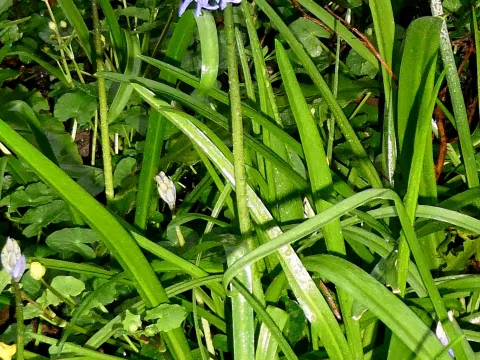
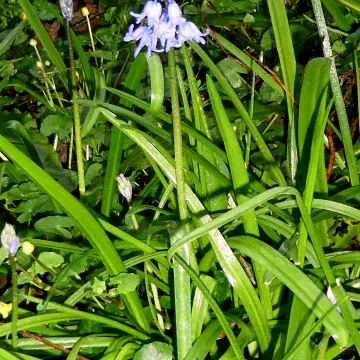
Morphologically, the plant develops a small, white, globose bulb that produces a cluster of narrow, basal leaves. The inflorescence is a slender, arching raceme carrying numerous pendulous, bell-shaped violet-blue flowers. The plants spread primarily through seed dispersal and offset bulbs, making them highly efficient at colonizing shady borders or woodland clearings.
Agronomic success depends on providing a humus-rich, well-draining soil that remains cool throughout the spring. While they are tolerant of shade, they require sufficient light during the early stages of growth. Proper maintenance involves leaving the foliage to die back naturally, ensuring the bulb accumulates enough nutrients for the following year. They are not suitable for high-nitrogen fertilizer regimes, as this may encourage excessive leaf growth at the expense of floral development.
Common bluebells are exclusively used for aesthetic purposes in landscape gardening. Key challenges in their management include:
- Managing soil drainage to prevent fungal bulb rot.
- Controlling slug and snail populations during wet spring weather.
- Preventing competition from invasive species in naturalized areas.
- Monitoring for viral infections that cause variegation or stunted stems.
Photo gallery