
Description
Hydrangea hirta is a deciduous shrub belonging to the Hydrangeaceae family. Known for its distinct texture and compact growth habit, this species is highly valued in botanical collections and specialized gardens for its understated aesthetic appeal compared to more common, flashy hydrangea varieties.
Native to Japan, this plant naturally occurs in montane forest environments. Its habitat is characterized by damp, well-draining soil and shaded conditions provided by the forest canopy. Because of this origin, it performs best in environments that mimic its natural temperate, humid climate.
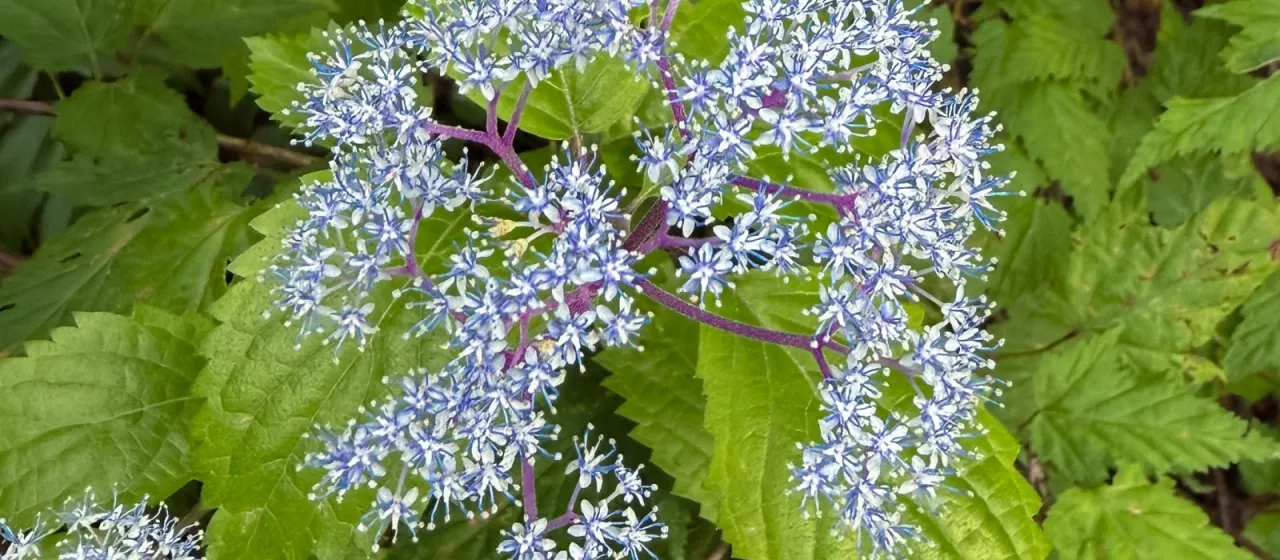
Botanically, the species is distinguished by its pubescent (hairy) stems and leaves, which give the plant its specific epithet, hirta. The leaves are ovate with serrated margins, and the plant produces delicate corymbs of flowers that appear primarily on the previous year's growth, requiring careful pruning management.
Cultural requirements involve planting in acidic, humus-rich soil that retains moisture but provides excellent drainage. It is essential to avoid direct, scorching sunlight; a north-facing or dappled-shade location is optimal. Regular watering is crucial during the active growing season, and applying an organic mulch helps maintain soil moisture levels.
This shrub is primarily utilized for landscape architecture, particularly in woodland or shade gardens where its subtle texture can be showcased. Practitioners should be vigilant regarding common plant health issues, which include:
- Spider mites that thrive in dry air conditions.
- Aphids infesting new foliage during the spring flush.
- Leaf chlorosis caused by high pH levels in the soil.
- Botrytis blight, particularly during periods of high humidity and poor air circulation.