
Description
Hydrocotyle elongata is a perennial herb belonging to the Araliaceae family. Known for its distinct morphological features, it is a specialized crop often associated with wet and humid environments. Unlike some of its more common relatives, this species occupies a unique ecological niche, requiring specific management strategies for successful cultivation.
The plant originates from tropical and subtropical regions, predominantly found in Southeast Asia. Its natural habitat includes riverbanks, swampy areas, and shaded forest floors where organic matter accumulation is high. The species is highly adapted to these moist environments, thriving where water availability is consistent throughout the growing season.
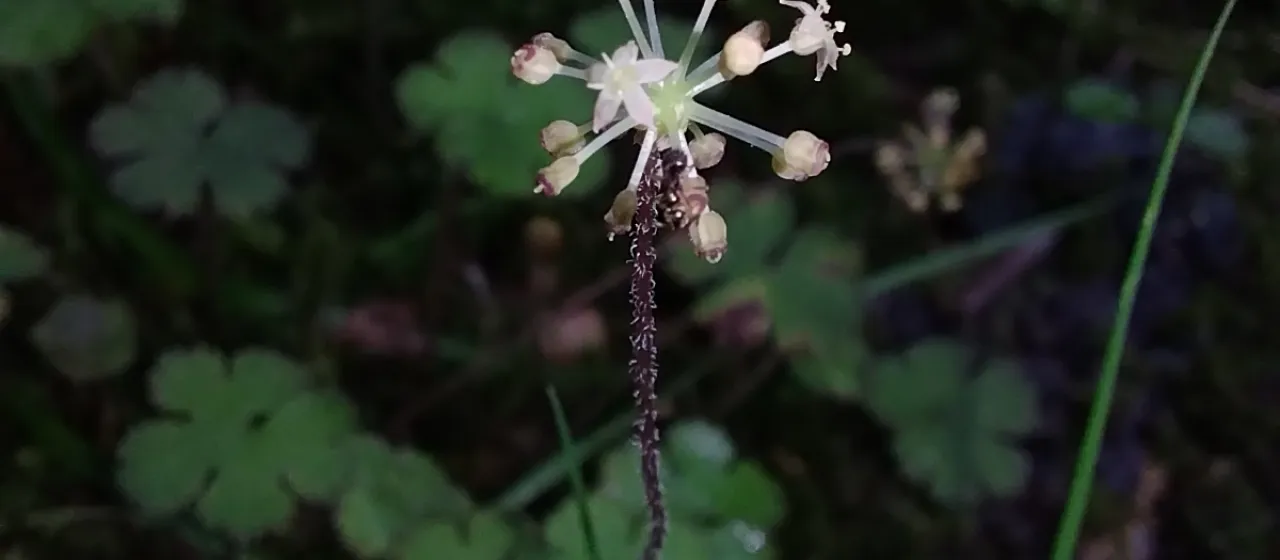
Botanically, it is characterized by creeping stems that root at the nodes and shield-shaped leaves supported by long petioles. This growth habit allows it to spread rapidly across moist surfaces. The flowers are small, arranged in simple umbels, which is a typical trait for the genus, often appearing during the peak of the growth cycle when moisture levels are optimal.
Agricultural requirements center on maintaining high humidity and a consistent moisture level in the substrate. The ideal soil is rich in organic components, loose, and slightly acidic. The plant prefers partial shade, as intense direct sunlight can damage the leaf tissue. Furthermore, it is non-hardy and requires temperatures typically ranging from +20°C to +28°C, as it cannot survive freezing conditions.
In terms of usage, the plant is primarily utilized in ornamental horticulture for creating ground covers in greenhouses, terrariums, or indoor landscapes that simulate natural riparian ecosystems. Beyond aesthetics, some interest exists in its potential chemical properties, as many plants within the Araliaceae family are researched for their secondary metabolites and potential medicinal applications.
- Strict requirement for high soil and air humidity.
- Preference for dappled light or shade.
- Rapid vegetative spread through stoloniferous growth.
- High sensitivity to frost and cold environmental stress.