
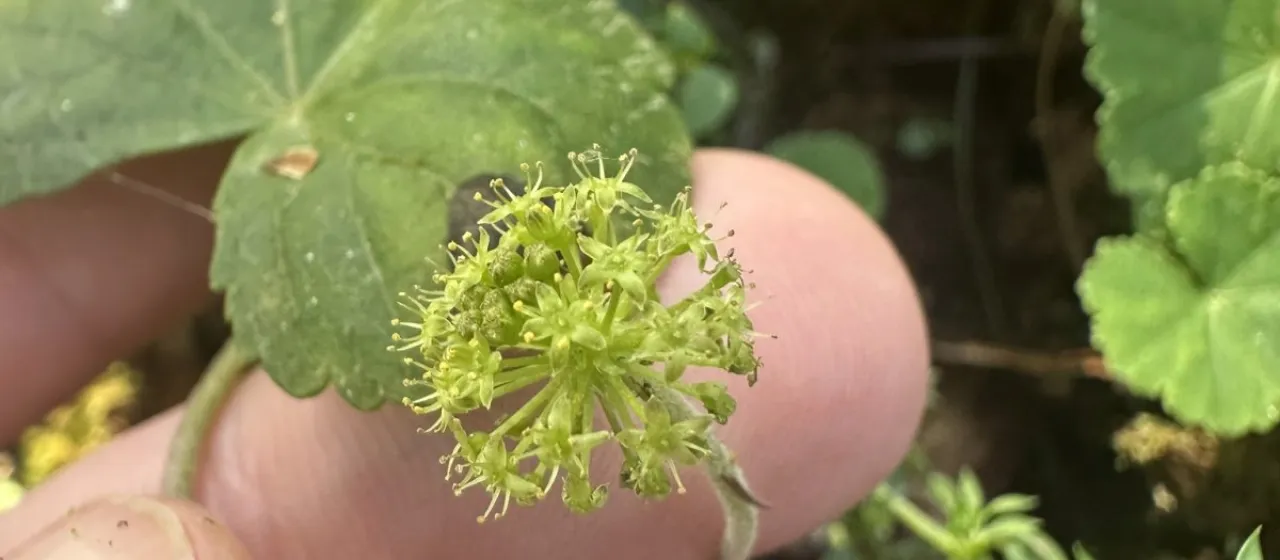
Description
Mexican Pennywort (Hydrocotyle mexicana) is a perennial herbaceous plant belonging to the Araliaceae family. Known for its creeping stems and distinct shield-shaped leaves, it is a popular choice for ground cover in moist environments. The plant is botanically recognized by its node-rooting system, which allows it to spread rapidly across damp substrates.
The plant originates from Central and South America, with Mexico being its primary region of distribution. It naturally thrives in riparian habitats, marshes, and humid forests. This evolutionary adaptation to wet conditions makes it an excellent candidate for semi-aquatic cultivation, such as in paludariums or along the margins of artificial ponds.
Botanically, Hydrocotyle mexicana consists of delicate, rounded leaves with crenated margins. The stems are fragile but highly adaptable, changing their morphology slightly depending on whether the plant is grown submerged or emerged. This flexibility is a key biological trait that contributes to its successful colonization of various niches in both wild and cultivated settings.
The cultivation of this plant requires consistent moisture levels and rich, well-draining soil. It thrives best under bright, indirect light; too much intense direct sunlight can desiccate the tender leaves. Growers should ensure that the humidity remains high, especially when grown in indoor environments or greenhouses, to prevent leaf tip browning and growth stunting.
- Ideal temperature: 68°F to 77°F (20–25°C).
- Watering: Frequent; soil should never dry out completely.
- Substrate: Nutrient-rich, loamy, or aquatic soil mixes.
- Propagation: Stem cuttings or division of rooted nodes.
The primary use of Mexican Pennywort is in ornamental gardening and the aquarium trade. It is highly valued as a foreground plant that provides a lush, verdant texture to gardens and aquatic ecosystems. Beyond aesthetics, it plays a functional role in water filtration, helping to absorb excess nutrients and providing habitat for small aquatic organisms.
Pests and diseases are manageable if proper cultivation standards are maintained. Aphids and spider mites are the most common pests, particularly when the plant is grown in areas with low air circulation. Fungal pathogens can occur due to water stagnation; therefore, ensuring good ventilation and avoiding overly damp, stagnant conditions is essential for healthy growth.