
Description
Hydrolea quadrivalvis is a perennial herbaceous plant belonging to the Hydrophyllaceae family. This species is primarily recognized for its affinity for aquatic and semi-aquatic habitats, making it a specialized crop for enthusiasts and researchers focused on wetland vegetation and water-sensitive agriculture.
Native to the southeastern regions of North America, this plant is naturally distributed in marshes, pond margins, and floodplains. Its ability to thrive in saturated soil conditions defines its ecological niche and dictates the primary requirements for its successful cultivation in managed agricultural or horticultural environments.
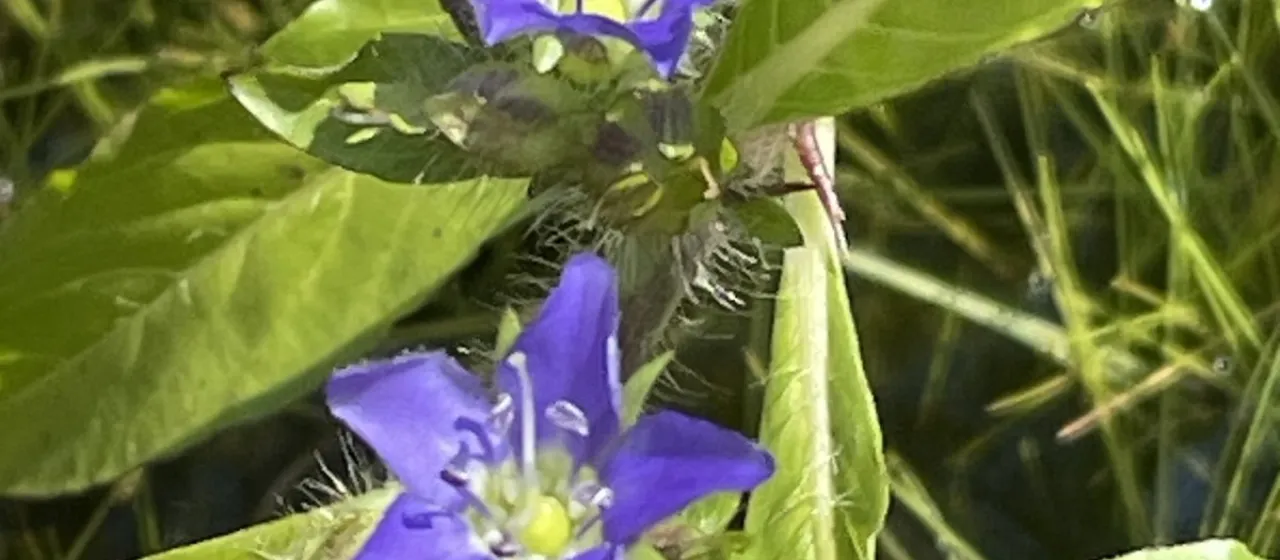
Botanically, the plant is characterized by its lanceolate leaves and striking blue flowers that appear during the warmer months. The stems can exhibit varying growth patterns, often spreading across the soil or water surface when growing conditions are optimal. This structural plasticity allows the plant to adapt to shifting water levels in its native habitat.
Agricultural success with Hydrolea quadrivalvis depends heavily on maintaining consistent soil moisture. It performs best in nutrient-rich, heavy soils that retain water effectively. While it requires significant sunlight for robust flowering, it is sensitive to extreme heat without adequate moisture, necessitating a careful balance of environmental factors in an agricultural setting.
Regarding its utility, the species is primarily utilized in landscape restoration and as a decorative element for artificial aquatic features. Due to its biological traits, it has potential applications in phytoremediation, specifically in cleaning nitrogen-heavy runoff water in controlled environmental systems.
- Requires consistent water supply for root health.
- Prefers high organic matter content in the soil.
- Sensitive to severe frost and requires protection.
- Excellent potential for use in ecological water treatment projects.