
Description
Hydrostachys verruculosa is a distinctive aquatic plant belonging to the Hydrostachyaceae family. Unlike traditional agricultural crops, this species is highly specialized for existence in high-velocity freshwater environments, making it a unique subject for both botanical research and specialized aquatic cultivation practices.
The plant originates from the island of Madagascar, where it is found exclusively in fast-flowing mountain rivers and streams. Its natural habitat dictates its physiological adaptations, requiring constant exposure to oxygenated, flowing water to maintain metabolic functions. The plant attaches itself to rocks using specialized root-like structures, effectively anchoring in strong currents.
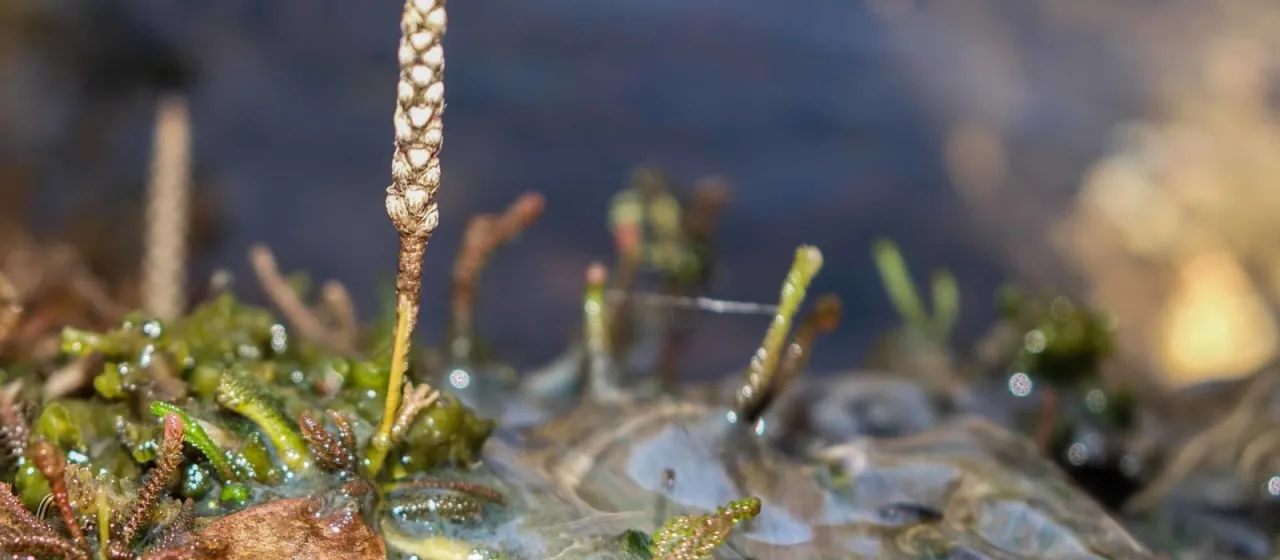
Botanically, Hydrostachys verruculosa is characterized by its ability to survive in turbulent water. It lacks conventional root systems, instead utilizing a thallus-like structure for substrate attachment. Its foliage is highly reduced or dissected, a feature that significantly reduces drag caused by water currents. The plant's structure allows it to thrive in nutrient-poor but highly aerated environments.
Cultivation requirements for this species are exceptionally stringent, focusing on hydrodynamic and water quality parameters. To successfully grow the plant, one must replicate the conditions of a tropical stream: high water turnover, consistent mineral content, and precise temperature control. Soil is generally not utilized; rather, the plant relies on water-borne nutrients, requiring a system similar to advanced hydroponic setups.
The economic and research utility of the plant is currently centered on aquatic biodiversity and specialized horticulture. While not a conventional food or fiber crop, it is highly valued in scientific studies concerning plant adaptation to extreme aquatic conditions. Typical challenges in its management include preventing the colonization of epiphytic algae, which can easily overgrow the plant's delicate tissues.