
Description
Hygrophila auriculata is a perennial herb belonging to the Acanthaceae family, widely recognized for its ecological importance and medicinal potential. Primarily found in tropical regions of Asia and Africa, this plant thrives in wetland ecosystems, riverbanks, and marshy fields. Its ability to colonize damp environments makes it a distinctive species within its habitat, often serving as a primary component of wetland vegetation.
Originating from the tropical zones of India and surrounding regions, the plant requires a hot and humid climate for optimal growth. It is well-adapted to environments with significant precipitation, which supports its rapid development. While naturally occurring in marshlands, its cultivation in agricultural settings requires controlled moisture management to maximize biomass production while preventing soil saturation that can lead to root rot.
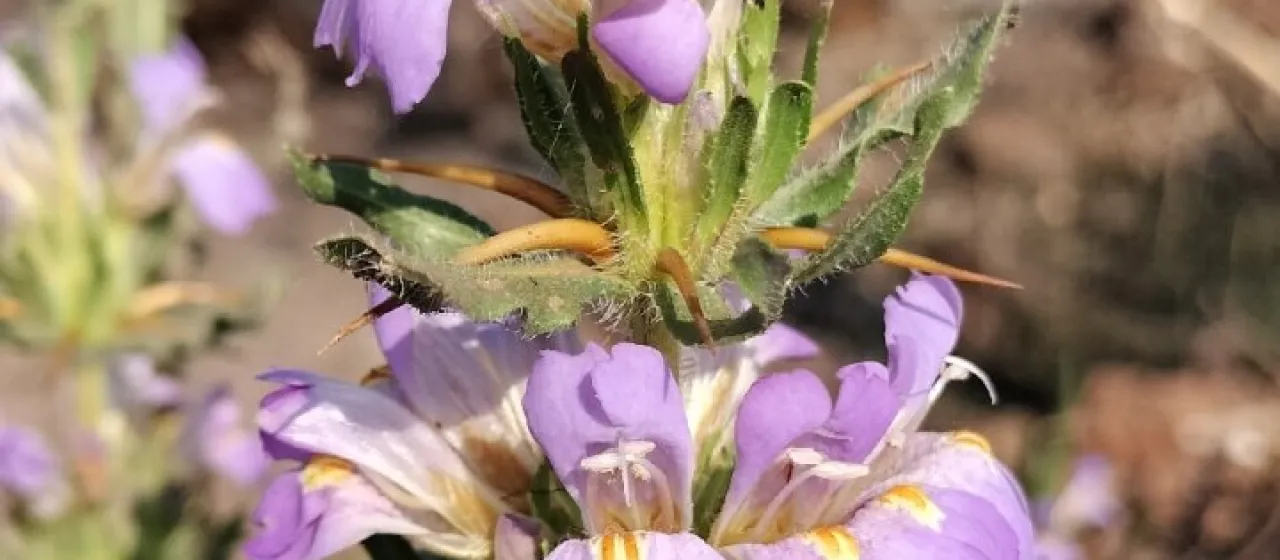
Botanically, the plant is characterized by a sturdy, nodal stem that can reach heights of up to 1.5 meters. One of its most defining features is the presence of sharp, stiff spines in the leaf axils, which act as a deterrent to herbivores. The leaves are lanceolate and arranged in opposite pairs, while the flowers bloom in striking purple or blue clusters, providing a vibrant display during the growing season.
Agronomic requirements for Hygrophila auriculata focus on soil fertility and water consistency. The plant prefers loamy to sandy soils that can retain moisture but still provide enough aeration for root development. Propagation is typically achieved via seeds or stem cuttings, with a spacing strategy that ensures sufficient sunlight exposure. Fertilizer management usually emphasizes phosphorus and potassium to encourage robust stem growth and secondary metabolite synthesis.
The economic and agricultural utility of this crop is significant, particularly in the pharmaceutical and wellness sectors. Key applications include:
- Extraction of bioactive compounds for liver-supporting supplements.
- Utilization as a traditional medicine for its diuretic and anti-inflammatory properties.
- Exploration in botanical research for potential therapeutic agents.
Like any agricultural crop, it is susceptible to specific pests and pathogens. Common issues include aphid infestations and spider mites, particularly in high-humidity cultivation settings, as well as fungal leaf spots during rainy seasons. Integrated pest management, including regular crop rotation and the removal of plant debris, is essential for maintaining plant health and ensuring high-quality yields for industrial processing.