
Description
Hygrophila ringens is a herbaceous perennial plant belonging to the Acanthaceae family. Primarily found in tropical environments, it functions as a semi-aquatic species, demonstrating significant resilience and growth potential in environments with high moisture levels and consistent ambient temperatures.
Originating from the tropical and subtropical regions of Asia, including India and parts of Southeast Asia, this plant naturally occurs in wetland habitats, riverbanks, and marshy areas. Its native range implies an evolutionary adaptation to nutrient-rich, damp soils and environments that provide stability throughout the growing season.
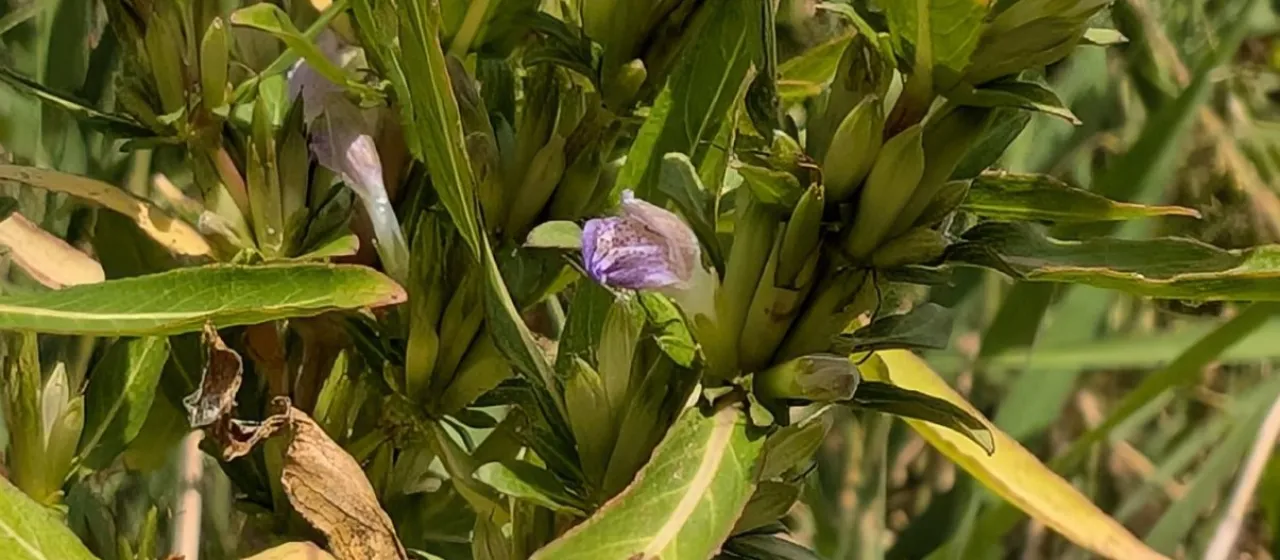
The botanical structure of Hygrophila ringens is characterized by robust, node-bearing stems and lanceolate leaves arranged in opposite pairs. The plant produces delicate, small flowers that may range from white to pale purple, adding a subtle ornamental value to its foliage-dense appearance during the vegetative cycle.
Cultivation requires specific attention to humidity and light. To achieve optimal growth, the substrate must remain consistently moist, and the plant benefits from bright, indirect light exposure. Because it is highly sensitive to soil compaction, using a loose, nutrient-dense organic substrate is recommended to facilitate proper root development and nutrient uptake.
In terms of agricultural and horticultural use, this species is highly valued in the aquascaping and paludarium industry. It serves as an excellent foreground or midground plant, helping to create lush, naturalistic aquatic setups. Proper maintenance involves regular pruning to manage its spreading habit and to ensure healthy lateral shoot growth.