
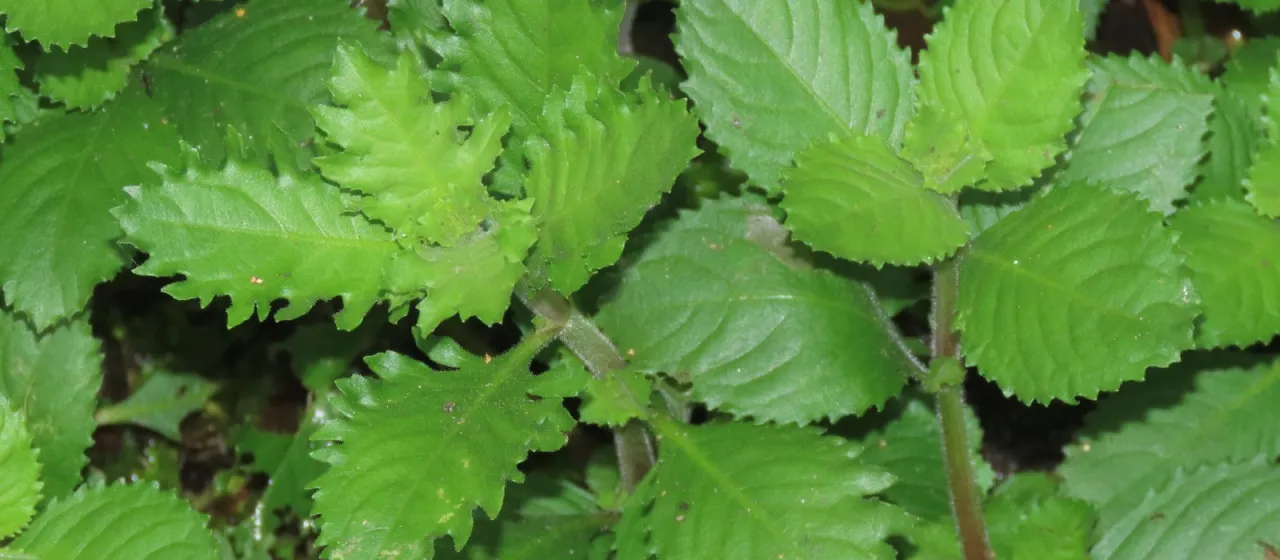
Description
Hygrophila triflora is an aquatic herbaceous plant species belonging to the Acanthaceae family. While not a traditional field crop, it is widely recognized in the commercial ornamental plant industry as a popular species for aquatic landscapes, ponds, and high-end aquascaping setups.
The origin of this species is traced back to the tropical regions of Southeast Asia. It is natively found in marshy habitats, riverbanks, and seasonal wetlands. Its evolutionary history in warm, humid climates has equipped it with a remarkable ability to thrive in submerged, emergent, or emersed conditions, depending on the availability of water and humidity levels.
From a botanical standpoint, the plant is characterized by its distinct node structure, where leaves emerge in whorls. The stems are sturdy yet flexible, capable of reaching significant lengths in optimal conditions. The foliage displays a dynamic color palette, shifting from vibrant green to reddish-bronze, which is a physiological response to light intensity and the availability of specific minerals in the substrate.
Cultivation requirements involve specific water chemistry and light management. To maintain a healthy specimen, the water temperature should be kept between 22°C and 28°C, with a slightly acidic to neutral pH. High-intensity lighting is crucial to prevent the plant from becoming leggy, and a nutrient-rich substrate is essential to support its rapid growth rate and metabolic needs.
- Requirement for CO2 supplementation for lush growth.
- Sensitivity to iron deficiency (indicated by yellowing leaves).
- Frequent trimming promotes denser lateral growth.
- Propagation primarily via stem cuttings.
The primary economic use of Hygrophila triflora is within the aquarium trade and botanical garden displays. It functions effectively as a natural water purifier by stripping excess nutrients from the water column. Common health issues, such as algae outbreaks on leaves or stem decay, are typically managed through balanced fertilization regimes and ensuring proper water circulation in the tank.