
Description
Hylodesmum laxum is a perennial herbaceous plant belonging to the Fabaceae family. Formerly classified under the genus Desmodium, it has been reclassified to reflect its unique genetic and morphological traits. This plant serves as an important subject for agricultural research, particularly concerning its role in sustainable pasture management.
The plant originates from East and Southeast Asia, with a natural distribution spanning across China, Japan, and parts of the Indian subcontinent. It thrives in humid forest environments and woodland edges, often showing adaptability to varying light intensities. This natural habitat preference makes it a versatile species for managed agroforestry systems.
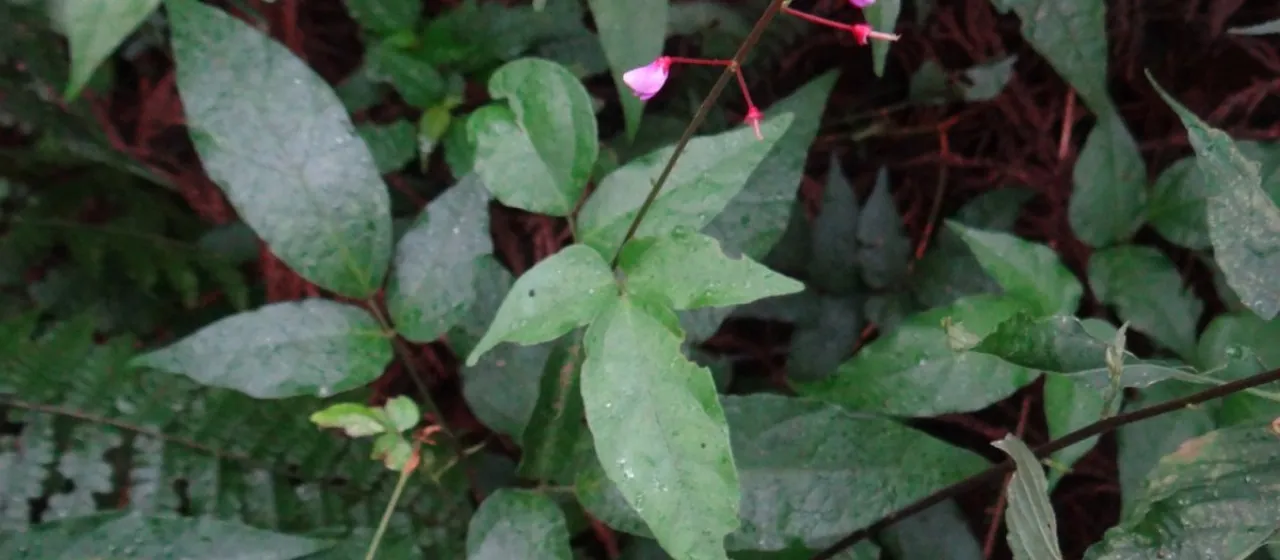
Botanically, the plant is characterized by trifoliate leaves and loose, raceme-like inflorescences, which give the species its name. It exhibits a typical legume growth habit, featuring distinct articulated pods that facilitate seed dispersal. These pods are segments that break apart upon maturity, reflecting the plant's evolutionary strategy to optimize its reproductive success in dense vegetation.
Agricultural success with this crop requires well-drained, nutrient-rich soils with a neutral pH level. As a legume, it has a natural capacity for nitrogen fixation, which contributes to soil fertility improvement. It is best suited to regions with stable precipitation, as it requires adequate moisture during the growing phase to achieve maximum biomass production.
The primary economic use of Hylodesmum laxum lies in its potential as a high-protein forage source for livestock and as a cover crop for erosion control. Like many legumes, it is susceptible to specific fungal pathogens, such as leaf spot diseases, especially in humid conditions. Standard pest management practices for leguminous crops, including crop rotation and monitoring for insects like aphids or beetles, are recommended to maintain plant health.
- Requires well-drained soil
- Beneficial for soil nitrogen levels
- Sensitive to extreme drought
- Suitable for shade-tolerant environments