
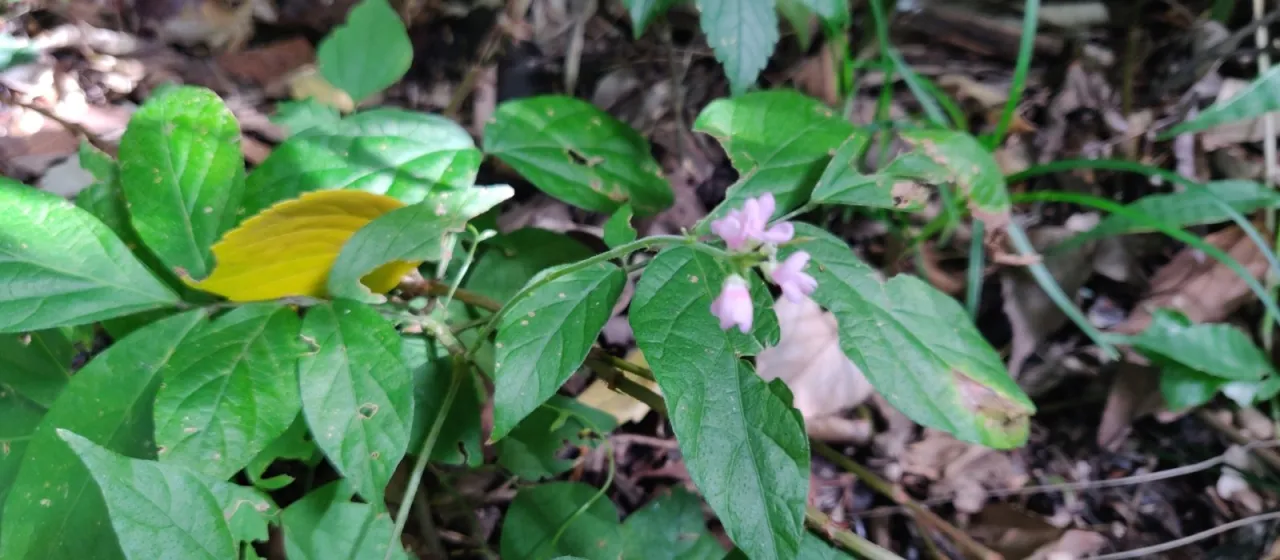
Description
Hylodesmum oldhamii is a perennial herbaceous plant belonging to the Fabaceae family. Previously classified under the genus Desmodium, this species has been reclassified into the Hylodesmum genus based on modern botanical studies. It is currently being evaluated for its potential as a specialized forage crop in temperate agricultural systems.
The native range of this plant encompasses East Asian territories, including Korea, China, Japan, and the Russian Far East. It typically thrives in forest margins, shrublands, and meadow-like habitats. The plant is well-adapted to temperate climates, requiring stable soil moisture during the main growing season to achieve optimal biomass production.
Botanically, Hylodesmum oldhamii features an erect stem with trifoliate leaves, growing up to one meter in height. Its root system is robust, providing stability and resilience. The inflorescences consist of small, characteristic pea-like flowers that range from pink to purple in color, eventually developing into segmented pods that facilitate seed dispersal.
Agronomic management requires fertile, well-drained loamy soils. The plant prefers slightly acidic to neutral pH levels. Successful cultivation involves careful weed management during the establishment phase, as the plants exhibit slow early growth. Farmers should ensure adequate phosphorus and potassium levels in the soil to support the plant's nitrogen-fixing capabilities.
The agricultural and economic significance of Hylodesmum oldhamii includes:
- High protein content in forage foliage.
- Contribution to soil nitrogen fixation via symbiotic bacteria.
- Suitability for hay production.
- Value in land reclamation and biodiversity conservation projects.
The crop is susceptible to certain fungal diseases, such as leaf spot and powdery mildew, especially under high humidity conditions. Common pests include various aphid species and coleoptera, which can affect the leaves and reproductive organs. Integrated pest management, including crop rotation and monitoring, is essential to maintain high-quality crop yields.