
Description
Hymenaea courbaril, commonly known as the jatoba tree or Brazilian copal, is a massive evergreen tree belonging to the Fabaceae (Leguminosae) family. It is recognized as a highly valuable species in both forestry and permaculture systems, prized for its exceptional structural integrity and its diverse range of secondary products.
Originating from the tropical regions of Central and South America, the species thrives in diverse habitats ranging from tropical rainforests to seasonally dry deciduous forests. It is an adaptable species that prefers well-drained, fertile soils but can tolerate a variety of environmental conditions once established. It is an excellent candidate for reforestation projects in its native range due to its rapid early growth and resilience.
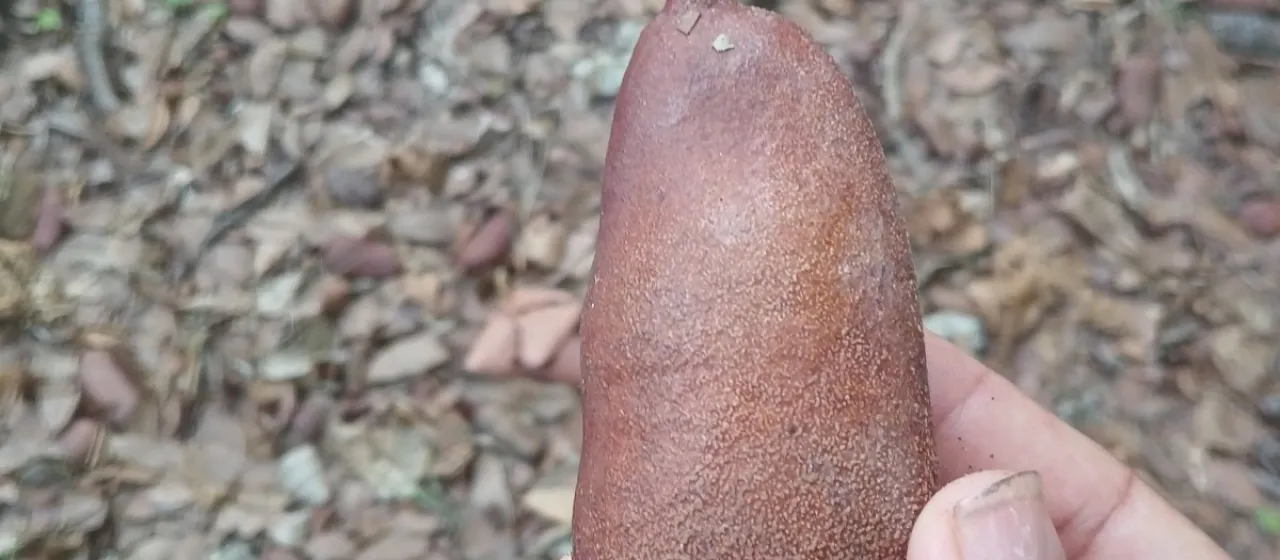
Botanically, the tree is characterized by its large, leathery leaflets and distinct white-to-greenish flowers. The fruit is a hard, woody pod that contains several seeds embedded in a fibrous, sweet, and starchy pulp. The seeds are enclosed in a durable endocarp, which makes them resilient but requires scarification to improve germination rates in large-scale nursery operations.
Commercially, Hymenaea courbaril is most famous for its timber, often marketed as "jatoba." This wood is exceptionally dense, durable, and rot-resistant, making it a premium choice for hardwood flooring, decking, and heavy construction. Additionally, the tree produces a valuable resin known as copal, which is harvested for use in high-grade varnishes, lacquers, and traditional medicine applications.
While generally hardy, the cultivation of this species requires attention to specific agricultural risks to ensure a healthy harvest:
- Root rot caused by stagnant water in heavy, waterlogged soils.
- Seed predation by bruchid beetles during the post-harvest storage phase.
- Nutrient deficiencies in extremely acidic soils, requiring careful amendment.