
Description
Hymenocardia ulmoides is a perennial tree species belonging to the family Phyllanthaceae. It typically manifests as a shrub or a medium-sized tree, recognized by its specific ecological niche within tropical landscapes. As a plant species, it holds significant potential for local agro-economies due to its structural durability and chemical properties.
The plant is native to tropical Africa, where it thrives across various ecosystems ranging from dense woodland savannas to riverine forest fringes. Its distribution indicates a high level of resilience to varying rainfall patterns. It is predominantly found in regions that maintain a warm climate, which is essential for the continuous growth cycle of this species.
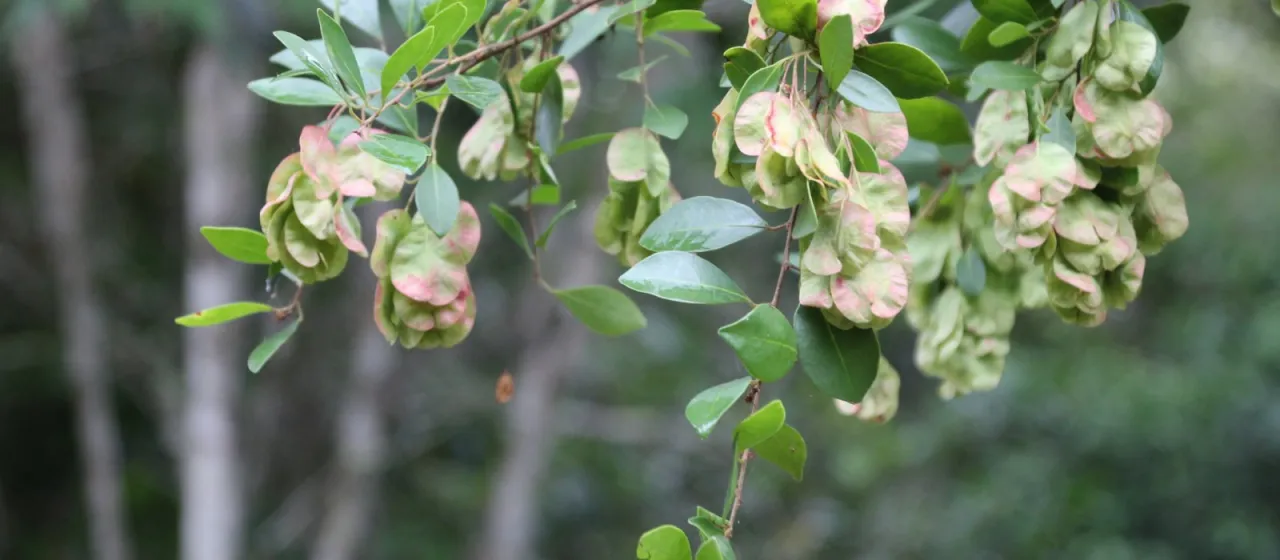
Botanically, Hymenocardia ulmoides is identified by its elm-like leaves and distinct winged fruits, which are an evolutionary adaptation for wind dispersal. The root system is robust, allowing the plant to stabilize the soil effectively. The growth habit is relatively slow but steady, contributing to the development of high-density wood fibers.
Agronomic requirements involve providing adequate sunlight and well-aerated soil. While the species is hardy, it benefits significantly from managed water levels during the initial growth phase. Cultivation strategies should focus on sustainable harvesting practices to preserve the longevity of the individual trees and the surrounding soil health.
The economic and practical utilization of this plant covers several essential domains:
- Sustainable production of high-density timber for artisanal and rural construction.
- Ethnobotanical use of bark and root extracts for therapeutic and pharmaceutical purposes.
- Deployment in agroforestry systems to prevent soil erosion and improve soil structure.
- Utilization as a nectar-producing plant for local apiculture development.
Regarding health management, the species is occasionally prone to fungal pathogens, particularly when grown in high-humidity microclimates. Common pests include various stem-boring insects and leaf-defoliators. Integrated pest management, emphasizing cultural controls and site selection, is recommended to ensure high productivity and plant vitality in managed stands.