
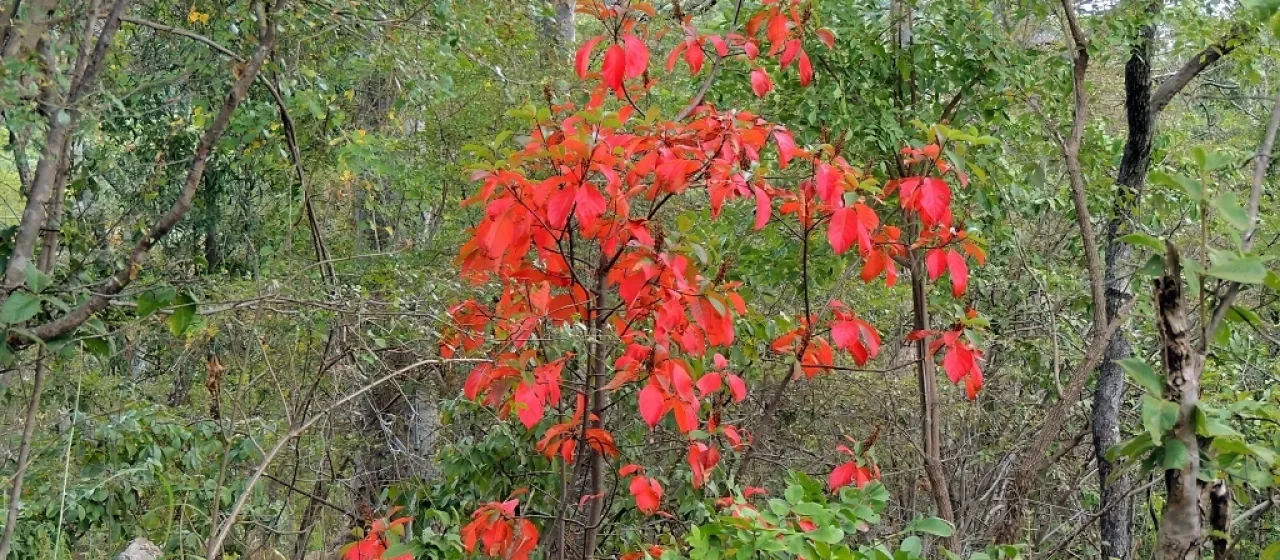
Description
Hymenodictyon floribundum is a notable tropical tree species belonging to the Rubiaceae family. It is widely recognized for its ecological importance and its role in traditional African medicinal practices, where various parts of the plant are utilized for their therapeutic potential.
The plant is native to the tropical regions of Africa, specifically found in diverse environments ranging from open woodlands to rocky outcrops. Its ability to colonize challenging terrains makes it a resilient species that plays a significant role in maintaining the local biodiversity and ecosystem stability.
Botanically, it presents as a medium-to-large tree characterized by large, opposite leaves and impressive floral displays during its blooming season. The bark is particularly notable, often utilized as a source of extracts due to its chemical composition, which includes various alkaloids beneficial in pharmacological research.
Regarding its cultivation, the plant requires well-drained soils and a climate that avoids extreme frost. While it thrives in tropical heat, young specimens benefit from consistent moisture during the establishment phase. It is generally resistant to many common pests, provided that the soil is sufficiently aerated to prevent root rot.
Economically, the species is valued for its bark, which is harvested for its anti-malarial and tonic properties. Additionally, it serves in agroforestry practices, providing necessary shade for secondary crops and contributing to soil conservation efforts, thereby preventing the degradation of agricultural lands.
- High medicinal value of the bark.
- Resilience to arid tropical conditions.
- Role in soil conservation and shade management.