
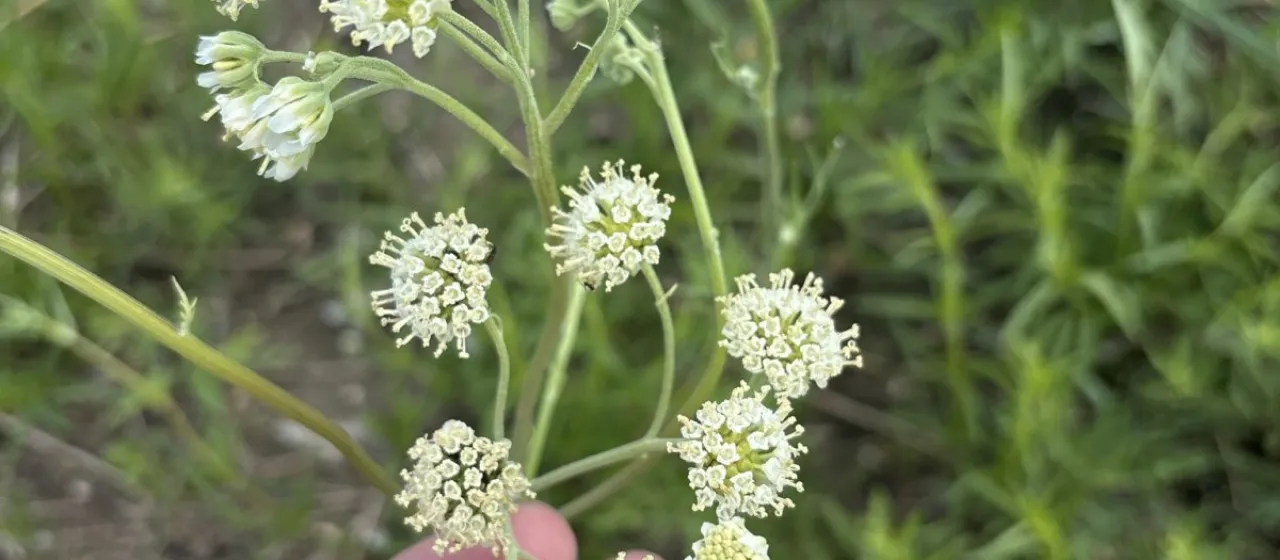
Description
Hymenopappus scabiosaeus, commonly known as old plainsman or woolly white, is a perennial herbaceous plant belonging to the Asteraceae family. In the field of agronomy, this species is noted for its resilience and ability to thrive in challenging environments where other commercial crops may struggle to establish.
Native to North America, the plant is primarily found in the central and southern regions of the United States, particularly within sandy prairies and open grasslands. Its evolutionary history has made it exceptionally well-adapted to habitats characterized by intense solar radiation and periodic water deficits.
Botanically, the plant features a basal rosette of dissected leaves and produces a stout, erect stem topped with attractive, white flower heads that resemble those of the scabiosa genus. Its root system is deep and expansive, allowing it to efficiently access groundwater, which is a key trait for survival in arid climates.
Regarding cultivation requirements, Hymenopappus scabiosaeus thrives in well-drained, sandy or gravelly soils. It is highly sensitive to waterlogged conditions, which can lead to rapid onset of root rot or crown infection. Agronomic management should prioritize site selection with full sun exposure and strictly avoid soil amendments that significantly increase fertility, as the species prefers nutrient-poor conditions.
The primary economic and agricultural applications for this species include its use in ecological restoration projects, native plant landscaping, and as a pollinator-friendly component in agricultural buffer zones. Due to its hardiness, it serves as a reliable plant for stabilizing disturbed soils and supporting local populations of bees and other beneficial insects.
- Excellent drought and heat tolerance.
- Preference for dry, well-drained, nutrient-poor soil.
- High value for pollinator conservation.
- Low maintenance requirements once established.